
When a private ice rink needs service, the estate manager often has to coordinate the homeowner, builder and refrigeration contractor. A clear private rink service handoff identifies the equipment, confirms who can approve work, and gives the technician the access and operating history needed to plan the visit.
This guide is for mechanically refrigerated private rinks. Use it to organize a service request and the handoff after the visit. For the seasonal opening sequence, see our winter startup checklist for owners and clubs.
Start with the equipment records. A mechanically refrigerated rink typically has equipment that serves the ice surface. The design can differ by installation. Find the builder’s documentation or equipment list and note the chiller or refrigeration package, pumps and controls if those components are present. Natural-ice and synthetic rinks call for a different service conversation.
Label any unknowns. The size of the ice surface or a photograph of the rink does not establish its configuration. Use normal equipment labels and existing reports to identify what is installed. The IIHF Ice Arena Guide gives background on different rink and refrigeration designs.
Name one point of contact for the property. Identify the original builder or installer, the person who can authorize the diagnostic visit, the person who can approve repairs, and the person who should receive findings. At some properties one person handles all four roles. At others, the homeowner or family office approves work while the estate manager coordinates access.
Ask the builder whether they handle parts, warranty questions, service coordination, or all three. If coverage or authorization is unclear, document who will confirm it before additional work proceeds. Give each provider the same account of the reported issue and known history.
Send a single file or message with the latest records and identify older documents as historical. If the equipment is failing to cool, use the chiller symptom reporting guide to give the technician a useful timeline.
Confirm the service address, onsite contact, access window, parking or staging arrangements and who will escort the technician if needed. Explain which equipment area is involved and whether access requires a separate person or appointment. Share gate codes, private household details and security procedures through the agreed private channel.
Keep the initial request focused on the equipment and work. A location, site contact, access window and equipment record are usually a better starting point than a broad message copied to everyone involved. Confirm who should receive the report before the visit.
Discuss whether the request is a diagnostic visit, a seasonal assessment, or a review of work already proposed. Ask what is included, whether the visit may be billed, and who will approve further diagnosis, parts or a second appointment. The contractor can confirm the scope and availability after reviewing the location and equipment.
Give the service team the next planned use or opening date, plus any days the property is unavailable. Leave time for the assessment, a repair decision and possible parts sourcing. If an issue is found, keep the scheduled event and the repair approval on separate tracks. Follow property procedures for immediate hazards and leave equipment testing and intervention to qualified personnel.
Property and ZIP: [location]. Rink and equipment: [type, models and unit count]. Reason for request: [symptoms, season or work to review]. Builder or warranty contact: [name]. Onsite contact and access: [details]. Authorized approver: [name]. Next planned use: [date]. Latest records: [attached].
After the visit, record the findings, work completed, unresolved recommendations, operating restrictions if any, and the next action with an owner. For recurring work, see how to build a seasonal rink maintenance scope that keeps this record useful year after year.
Share the property ZIP, equipment records, builder contact and preferred timing. Yukos Mechanical reviews ice rink refrigeration service requests in Lower Westchester first, with nearby work considered by scope and availability. Diagnostic charges and scheduling are confirmed before booking.
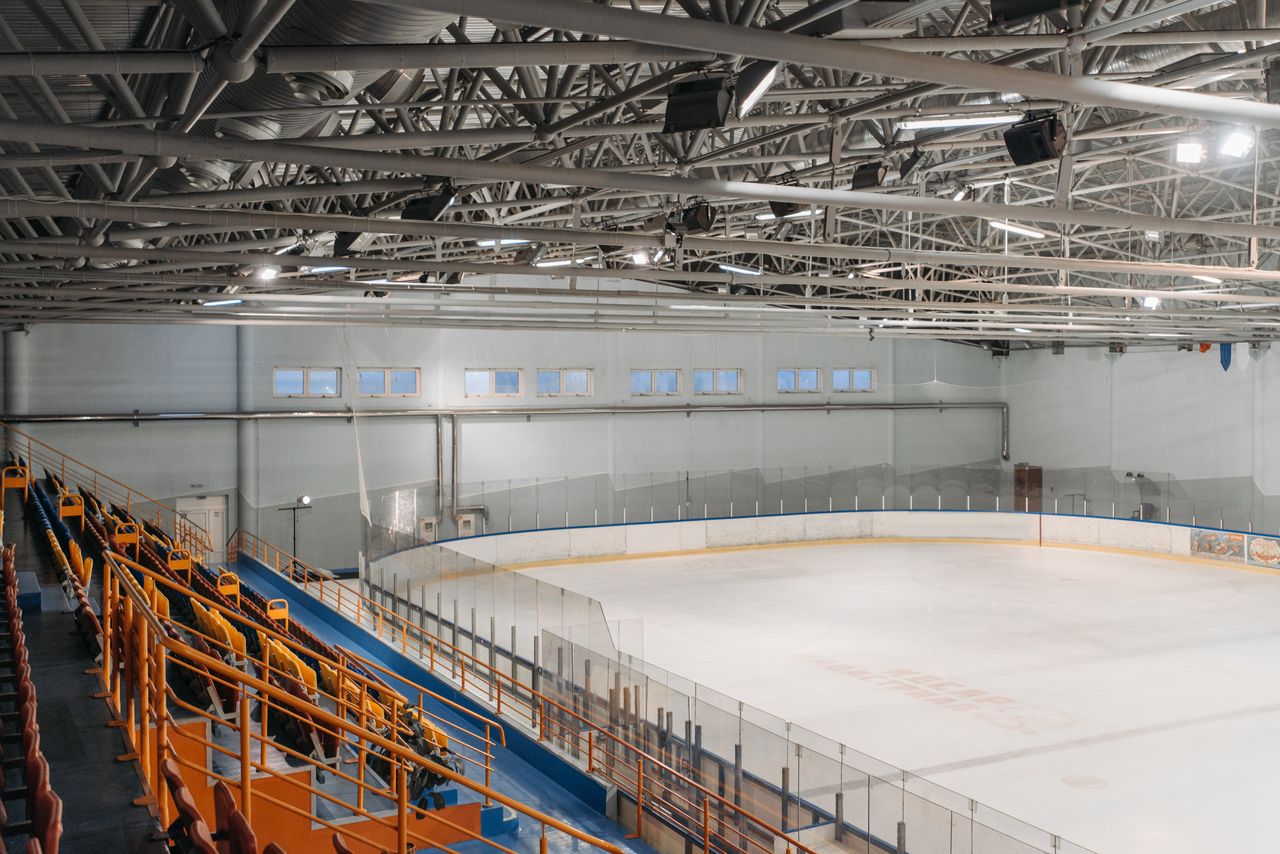
Illustrative photo by Pavel Danilyuk via Pexels.
Share the property ZIP, equipment records, builder contact and preferred timing. Yukos Mechanical reviews ice rink refrigeration service requests in Lower Westchester first, with nearby work considered by scope and availability. Diagnostic charges and scheduling are confirmed before booking.
Request a Rink AssessmentSend the property ZIP, rink type and equipment identification, the reason for the request, the builder’s name, the onsite contact and preferred timing. Attach the latest reports when available.
Ask which responsibilities the builder handles, including warranty communications, parts and coordination. Share the same equipment history and symptom report with the parties involved.
The owner or a designated representative should identify who can authorize the diagnostic visit, parts, repairs and return visits. The onsite access contact may be someone else.
Provide access restrictions and the onsite contact, then share gate codes and sensitive property procedures through the agreed private communication channel.
Keep the asset-specific report, completed work, open findings, any operating restrictions and the next action with an owner and review date.
Our clients trust us for fast, reliable HVAC solutions—see their stories below!


Whether you’re planning a new system or just need service advice, our team is here to help—no pressure, no obligations.