
A useful ice rink maintenance plan tells you which equipment is covered, what the contractor will check, who can approve additional work, and what you will receive after each visit. Those details matter from preseason preparation through shutdown, especially when an owner, a club manager, and a rink builder share responsibility.
This guide is for owners and managers of mechanically refrigerated rinks. Use it to compare proposals, review an existing agreement, or prepare for a conversation about ice rink refrigeration service in Lower Westchester. Start with the equipment and operating calendar for your property. Two rinks with similar ice surfaces can have very different service requirements.
Build a short asset register before asking for a price. Include the chiller or refrigeration plant, each circulation pump and controller, the locations they serve, and the equipment labels or manuals you have. Where the design includes them, also identify the heat-rejection equipment, strainers, expansion components, and the interface with the facility controls. Record model and serial numbers as available and label unknowns for follow-up.
Document ownership and boundaries at the same time. One contractor may service the refrigeration package, while the rink builder retains responsibility for the piping or warranty coordination. An indoor club may also have a separate provider for space conditioning and dehumidification. Keep those responsibilities explicit so a recurring visit covers the equipment you expect. The ASHRAE ice rinks chapter describes different system arrangements, which is why the installed design should govern the plan.
Preseason. Give the service team the intended opening date, access windows and shutdown history. Review last season’s findings early enough to allow for diagnosis, repair approval and possible parts lead times. The winter startup checklist gives owners and club managers a way to prepare that handoff.
During the season. Discuss the operating pattern, critical dates and recurring symptoms. A club with regular programming and a private rink used intermittently have different operational priorities. The agreement should say what a planned visit includes, how urgent requests are reviewed and how timing is confirmed.
At shutdown. Decide who follows the equipment-specific shutdown procedure, who keeps the final report, and who owns any open repairs during the off-season. Record what was actually done. That record matters months later when the next contractor needs to understand how the equipment was left.
Ask the contractor to describe the tasks for each asset. Depending on the equipment and agreed scope, the visit might cover accessible equipment condition, operating observations, alarm history, control response or circulation performance. The agreement should identify any model-specific work that needs a specialist, manufacturer involvement, different access, or a separate proposal.
Compare the exclusions as carefully as the task list. Clarify how diagnostic time, replacement parts, fluid testing or treatment, return visits, and substantial corrective work are handled. For example, if a technician records a recurring pump-related alarm, the visit report should state what was checked and what additional diagnosis or repair is being proposed. It should also show who can approve that work.
Identify a primary contact who can arrange access and put the right people in touch. Record who can approve diagnostic work, who can authorize parts or a return visit, and whether a builder or manufacturer must review warranty-related work. At a private property, the person who opens the gate may be different from the person who can approve a repair.
Put a contact and backup contact on the agreement. During a problem, give the contractor the same equipment records and symptom history the builder receives. If cooling performance changes between scheduled visits, use the chiller symptom reporting guide to create one clear service request.
Request a sample before committing. A useful report shows the property and asset, date and operating conditions, checks performed, findings, any action taken, and the next decision. Readings should be identified by unit and operating context so the next technician knows what can reasonably be compared.
Keep the report with the equipment records. If a recurring recommendation is shown as open, ask whether a completion record exists before authorizing the same work again.
A one-page comparison makes it easier to spot which proposal covers your actual equipment and gives your staff a clear way to act on findings. Compare scope, exclusions and deliverables before comparing the price alone.
Send your equipment list, location, and operating calendar. Yukos Mechanical reviews requests in Lower Westchester first and considers nearby work by scope and availability. Diagnostic charges, scheduling, and any additional work are confirmed before booking.
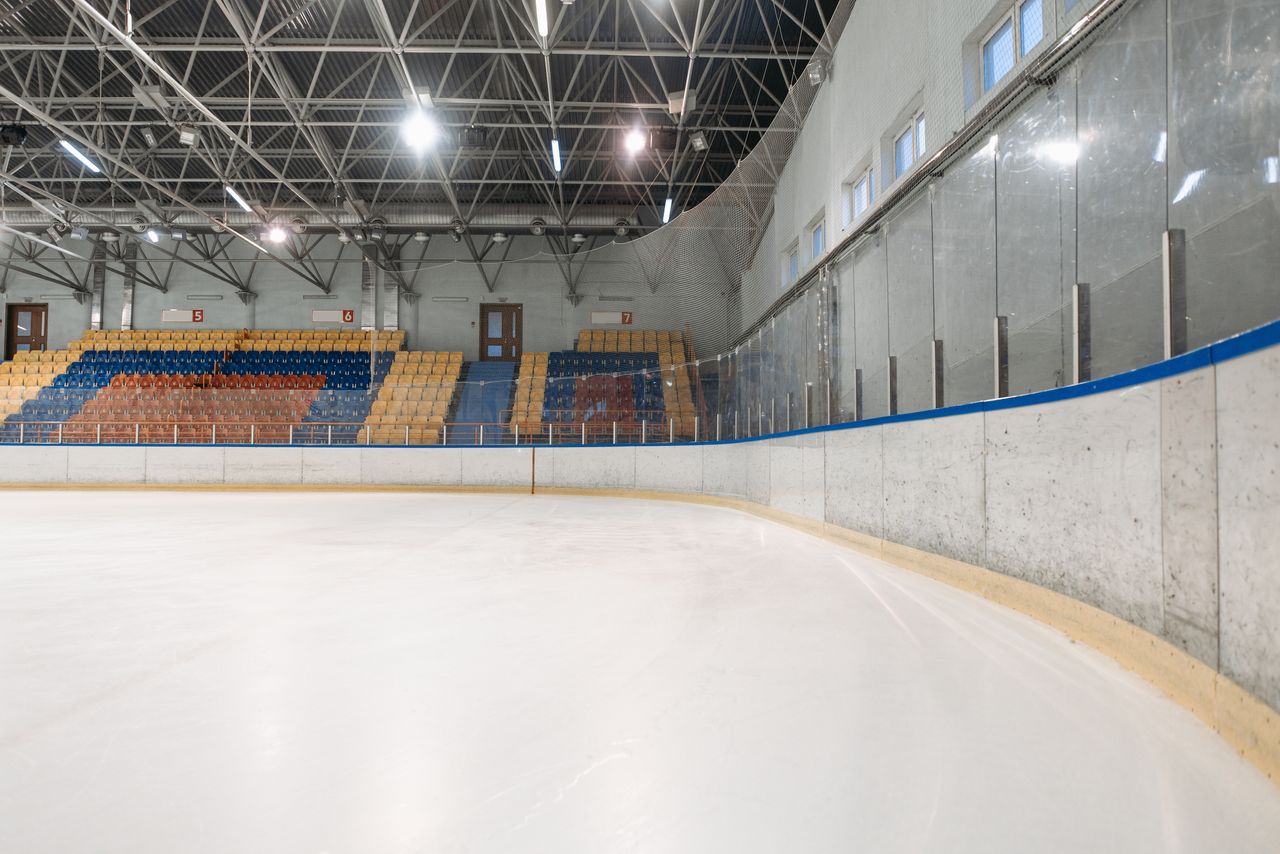
Illustrative photo by Pavel Danilyuk via Pexels.
Share your location, equipment and opening date. Scope and availability confirmed before booking.
Request a Rink AssessmentIt should identify the covered equipment, visit windows, tasks, service reports, exclusions, response arrangements and the process for authorizing extra work.
Frequency depends on the installed equipment, manufacturer requirements, operating schedule, condition and proposed scope. Agree the appropriate schedule after reviewing those factors.
Inclusion depends on the written agreement. Confirm how diagnostic time, parts, corrective work and follow-up visits will be priced and approved.
Yes. Tell the service team who the builder is and which responsibilities, warranty questions or approvals they coordinate for your property.
Keep the asset-specific report, operating observations, work completed, open findings and the next person responsible for each decision.
Our clients trust us for fast, reliable HVAC solutions—see their stories below!


Whether you’re planning a new system or just need service advice, our team is here to help—no pressure, no obligations.