
When an ice rink chiller is not cooling as expected, report what changed, when it happened, and which unit or area is affected. An exact alarm and a short timeline help a technician prepare for the visit, especially when a refrigeration, circulation, or controls issue could produce a similar complaint.
This guide helps owners, club staff and property managers prepare a service request. Use normal observations and existing records. Follow the equipment documentation and your site’s safety procedures, and leave testing, resets after a fault and mechanical intervention to the qualified service team. If you already have the details, send a rink assessment request.
Begin with the last time the rink was operating as expected. Note whether the issue appeared at seasonal startup, after a shutdown, after service, or during a normal operating period. If the problem is intermittent, record a few specific occurrences rather than describing it as random. Include the time, affected unit or ice area, and what was displayed at the time.
Explain the difference between the condition you expected and what you saw. For example, “One unit displayed an alarm after the scheduled start on Monday, and the ice condition changed along one end later that day” gives a clearer starting point than “the chiller is broken.” Add whether the rest of the rink appeared to behave normally and who observed it.
From your normal operating position or records, capture the exact alarm wording, timestamp and unit identifier. If an authorized operator can safely access the normal display, a clear photo of the message can help. Keep any readings in context. Include the name shown on the display, units and when the reading was taken. Avoid interpreting an unlabeled number as proof of a failed component.
A refrigerated rink can include the refrigeration package, distribution piping, circulation pumps, sensors and controls. Some designs use an indirect loop with a secondary fluid, and other configurations differ. ASHRAE’s ice rinks chapter explains these system arrangements. Give the technician your equipment details so they can decide which checks apply.
Refrigeration: Report the unit identification and any alarm or operating change visible through the normal operator interface. Circulation: Report previously observed pump noise, a visible leak from a safe position, or a pattern affecting only part of the ice. Controls: Report schedule changes, communication alerts, or the difference between an expected start and the status you actually saw.
These details narrow the discussion. A controller message, ice condition or sound can have more than one explanation. On a multi-unit installation, identify the specific unit and avoid assuming that all units were operating the same way.
For an outdoor rink, note relevant weather, exposure and when the condition changed. For an indoor facility, record any simultaneous humidity, condensation, or building HVAC complaints as separate observations. Include recent resurfacing or a change in usage if it helps explain the timeline. The technician can decide which conditions are relevant.
If the system was idle or recently serviced, send the shutdown history and a copy of the last visit report. Identify any unresolved recommendations and who currently manages the equipment. For a rink being reopened after storage, the winter startup guide has a checklist for collecting those records.
Property and ZIP: [location]. Equipment: [make, model, unit count or asset ID]. Last normal operation: [date and time]. Problem first observed: [date and time]. Affected area or unit: [details]. Exact displayed alarm: [message, or none observed]. Recent shutdown or work: [details]. Next planned use: [date]. Site contact and access: [details].
Attach available reports and safe photos of labels or the operator display. Tell the service team if equipment is out of operation or if the original builder should be involved. Keep private access details in the agreed communication channel.
The service team reviews the location, equipment, symptoms and access before confirming the proposed diagnostic visit. A visit may identify a repair, establish a need for further testing, or require coordination with the builder. Confirm availability, charges and approval for any additional work separately.
Follow your facility’s emergency procedure for an active hazard and use the appropriate emergency channels. Do not open energized panels, bypass safety controls or add refrigerant or unidentified fluid. For recurring issues after a repair, use the seasonal maintenance planning guide to define service records, visit scope and follow-up responsibility.
Yukos Mechanical reviews rink equipment and service requests in Lower Westchester and selected nearby locations. Include the site ZIP, equipment label if available, exact symptom and your timing. Diagnostic visits may be billed and scheduling is confirmed before booking.
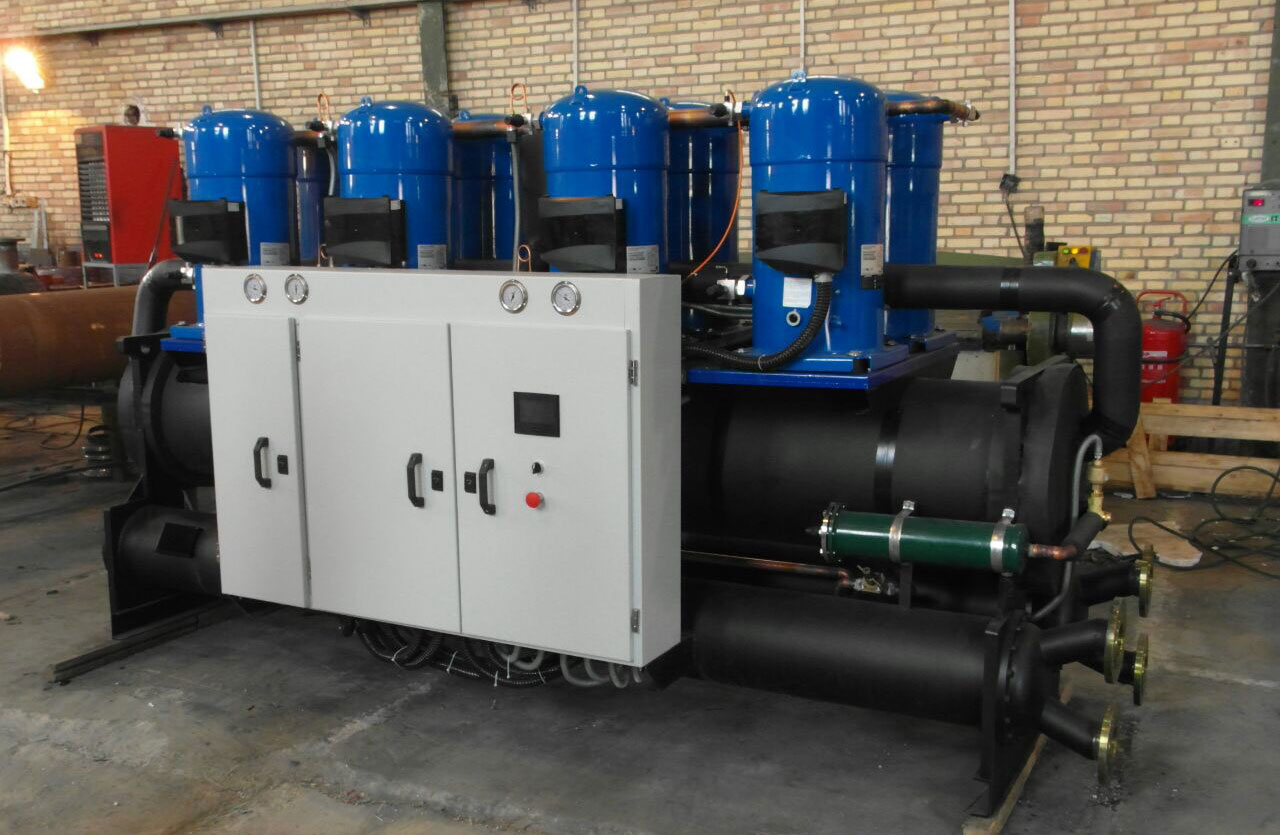
Equipment example: Custom Ice chiller configurations. Illustrative chiller photo by Mori2000 via Wikimedia Commons, CC BY-SA 4.0. Photo displayed at a reduced size.
Share your location, equipment and opening date. Scope and availability confirmed before booking.
Request a Rink AssessmentSend the property location, equipment identification, when the problem began, affected unit or ice area, exact alarm wording, recent work and next planned use.
No. Different equipment, circulation, controls and operating conditions can produce similar observations. A technician needs to evaluate the actual system.
Record the time, affected unit, displayed message and operating conditions each time it occurs. Keep that timeline even if the display later clears.
Follow the equipment documentation and site safety procedures. Repeated protective trips require qualified evaluation. Leave technical intervention to the authorized service team.
Share the event date when requesting service. Availability, diagnostic scope and charges are confirmed before booking, and a diagnostic appointment does not establish a repair completion date.
Our clients trust us for fast, reliable HVAC solutions—see their stories below!


Whether you’re planning a new system or just need service advice, our team is here to help—no pressure, no obligations.