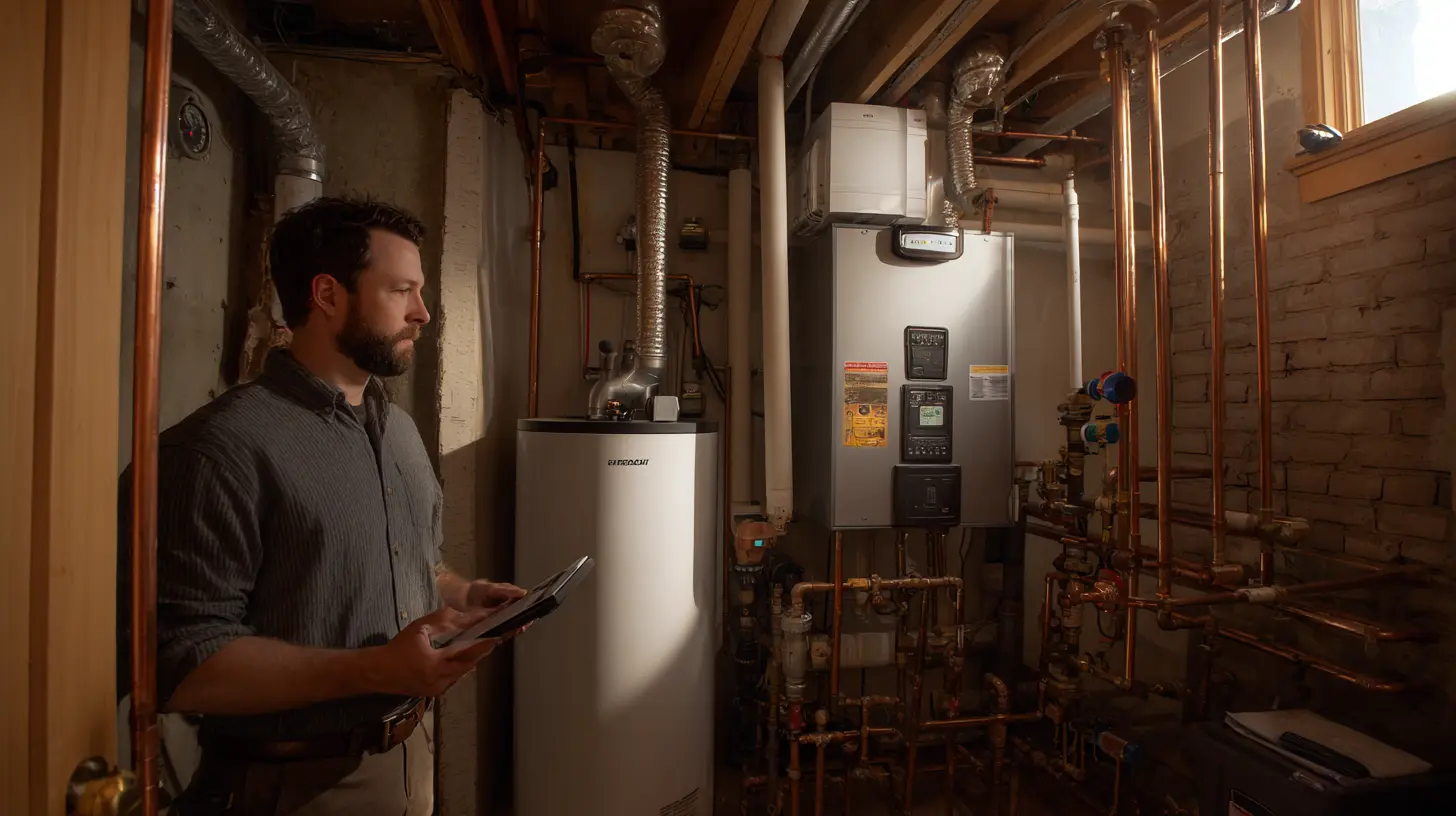
Older homes throughout Pelham and Lower Westchester offer architectural character, historic craftsmanship, and unique layouts that many homeowners value deeply. However, beneath the charm, many of these properties struggle with HVAC problems that modern homes are less likely to experience. Uneven cooling, aging boiler systems, airflow imbalance, humidity issues, and outdated ductwork are all extremely common in older Northeast homes.
Many properties throughout Pelham NY 10803 were built decades before central air conditioning, modern insulation standards, zoning controls, or advanced ventilation systems became common. As a result, heating and cooling systems often operate under conditions they were never originally designed to handle.
Throughout Lower Westchester, homeowners frequently deal with hot second floors, cold additions, noisy radiators, inconsistent airflow, oversized boilers, limited duct space, and difficult retrofit conditions. These issues become even more noticeable during humid summer weather and prolonged winter cold snaps when HVAC systems operate under maximum demand.
Because many homes have also undergone partial renovations over multiple decades, HVAC systems often consist of a mix of old and new equipment, modified duct layouts, upgraded windows, unfinished airflow corrections, and aging hydronic heating infrastructure.
Homeowners looking to better understand overall HVAC system performance may also benefit from our guide to understanding HVAC system insights.
Uneven temperatures are one of the most common comfort complaints in older Pelham homes. It is extremely common for homeowners to experience:
These issues usually develop because older homes were not originally designed around modern forced-air cooling systems.
Many older homes throughout Pelham contain undersized ductwork, retrofit returns, or partially modified airflow systems that struggle to distribute conditioned air evenly.
Limited wall cavities, older framing methods, and historic architectural layouts often restrict where ducts can be installed or enlarged.
During summer, warm air naturally rises through older homes, creating severe temperature differences between floors.
Without proper zoning, insulation, or airflow balancing, upper floors often become significantly warmer than lower levels.
Homes experiencing airflow imbalance and uneven cooling may also benefit from our guide to humidity problems in older Westchester homes during early summer.
Many older Pelham homes originally relied entirely on boilers and radiator heat long before central air conditioning became common. As cooling systems were later added, many properties ended up with compromise duct layouts or incomplete airflow design.
Common cooling problems include:
Oversized air conditioning systems are especially common in older homes because many systems were historically sized without detailed load calculations.
Bigger HVAC equipment does not always improve comfort. Oversized cooling systems often short cycle, remove less humidity, and create uneven temperatures throughout older homes.
Homeowners experiencing early warning signs may also benefit from our guide to signs your AC system is overdue for maintenance.
Hydronic heating remains extremely common throughout Pelham and Lower Westchester because many homes were originally built with boilers, cast-iron radiators, or baseboard heating systems.
Although hydronic heat can provide excellent winter comfort, older systems frequently develop efficiency and reliability problems over time.
Many older boiler systems also operate at lower efficiency levels than modern condensing equipment.
Homeowners dealing with winter heating instability may also benefit from our guide to why boilers short cycle during January cold snaps.
Many homes throughout Pelham HVAC Services continue relying on aging hydronic systems that benefit from pressure balancing, airflow improvements, ductless cooling retrofits, and preventative boiler maintenance.
Ductless mini-split systems have become increasingly popular throughout Pelham because they solve many of the cooling limitations older homes face.
Unlike traditional central air systems, ductless mini-splits do not require large duct runs hidden inside walls or ceilings.
This makes them ideal for:
Ductless systems allow homeowners to create independent comfort zones without major structural renovation.
Modern inverter-driven systems also provide:
Homeowners comparing cooling system options may also benefit from our guide to ductless mini-split vs central air conditioning.
Many Pelham homes have undergone partial renovations over the years without fully redesigning the HVAC system around the updated layout.
As a result, renovated homes frequently experience:
Finished attics and expanded kitchens are especially common sources of airflow imbalance because the original HVAC system was never sized for the additional load.
Many HVAC problems in older Westchester homes are not caused by equipment failure alone. They result from decades of renovations, airflow modifications, and partial system upgrades layered onto older infrastructure.
Homeowners planning future upgrades may also benefit from our guide to HVAC replacement costs in the New York Tri-State area.
Humidity imbalance is another major concern throughout older Lower Westchester properties.
Older homes frequently struggle with:
These problems often develop because older homes lack modern air sealing and balanced ventilation systems.
Airflow restrictions, oversized AC systems, and insufficient dehumidification frequently worsen humidity issues during early summer weather.
Older HVAC systems require more consistent preventative maintenance because aging equipment is less forgiving under heavy seasonal demand.
Important maintenance tasks include:
Routine maintenance often helps identify airflow problems, hydronic imbalance, and efficiency losses before expensive breakdowns occur.
Preventative HVAC maintenance is especially important in older homes. Aging boilers, retrofit ductwork, and mixed HVAC systems typically require more detailed inspection and seasonal tuning than newer construction.
Homeowners focused on reducing operating costs may also benefit from our guide to energy-saving HVAC tips to lower utility bills year-round.
Many homeowners assume older homes can never achieve consistent comfort. In reality, strategic HVAC upgrades often dramatically improve both efficiency and comfort while preserving historic character.
Modern improvements may include:
Successful upgrades typically begin with proper diagnostics rather than immediately replacing equipment.
Older Pelham and Lower Westchester homes often experience HVAC problems that modern homes rarely face, including uneven cooling, aging boiler systems, airflow imbalance, humidity problems, and retrofit duct limitations.
Because many properties combine historic construction with decades of renovations and partial HVAC upgrades, solving comfort problems usually requires a whole-system approach rather than focusing on equipment alone.
Proper airflow balancing, hydronic heating diagnostics, ductless retrofits, humidity control, and preventative maintenance can dramatically improve comfort and efficiency while preserving the architectural character of older homes.
Yukos Mechanical helps homeowners throughout Pelham and Lower Westchester diagnose complex HVAC problems, modernize aging systems, and improve year-round comfort in older homes. Contact Yukos Mechanical to schedule a professional HVAC evaluation today.
Proper airflow balancing, boiler diagnostics, ductless retrofits, and seasonal HVAC maintenance can help older Pelham homes operate more comfortably and efficiently year-round.
Schedule HVAC EvaluationMany residential boilers last between 15 and 30 years depending on maintenance history, water quality, operating conditions, and system design.
Yes. Ductless mini-splits work well in older homes because they provide heating and cooling without requiring major ductwork installation.
Older homes often have airflow imbalance, limited return air, poor insulation, retrofit duct systems, and multi-story heat gain that create uneven temperatures.
Hydronic systems may develop air trapped in piping, circulator failures, pressure instability, outdated controls, or uneven zoning performance over time.
Older HVAC systems generally benefit from professional maintenance at least twice per year, including inspections before cooling and heating seasons.
Our clients trust us for fast, reliable HVAC solutions—see their stories below!


Whether you’re planning a new system or just need service advice, our team is here to help—no pressure, no obligations.