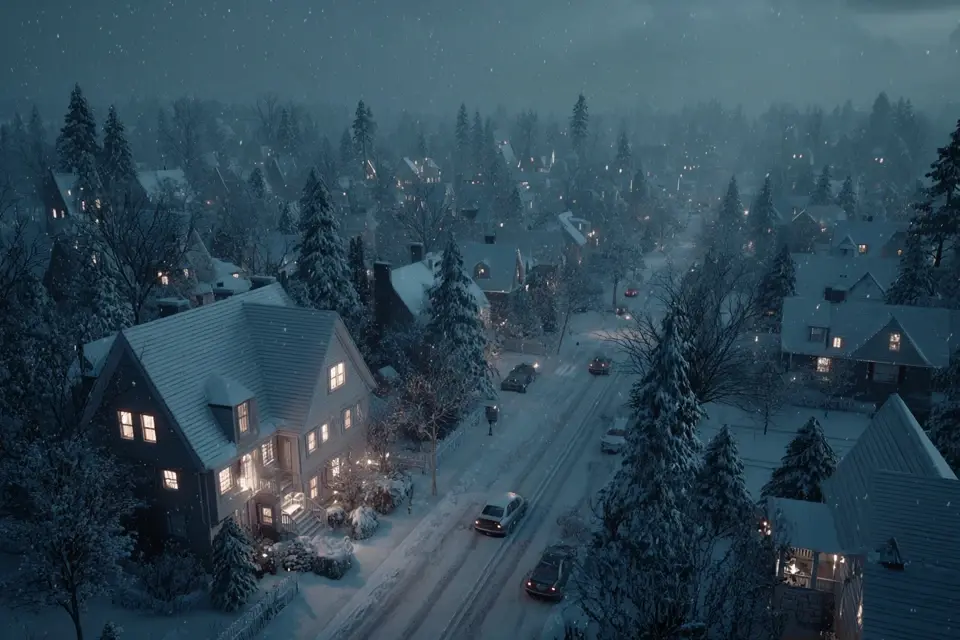
In Westchester County, February is often the most deceptive month of the heating season. The cold weather may feel routine by this point, and many homeowners assume their furnace, boiler, or heat pump will simply continue operating until spring arrives. In reality, February is when HVAC systems are most likely to reveal serious warning signs of failure.
By late winter, heating systems throughout the New York Tri-State area have already operated continuously for months with very little downtime. Motors, ignition systems, burners, circulator pumps, heat exchangers, and airflow components begin showing wear from nonstop operation. Even relatively minor HVAC problems can quickly escalate into complete no-heat emergencies once February cold snaps arrive.
For homeowners in older Westchester communities such as Bronxville, Scarsdale, Rye, White Plains, Larchmont, and Yonkers, the risk becomes even greater because many homes still rely on aging ductwork, original hydronic piping systems, older boilers, or retrofit HVAC infrastructure that was never designed for modern efficiency demands.
Many of these late-winter heating issues align with broader winter HVAC risks affecting Tri-State buildings, which often continue well beyond January.
Heating systems are engineered for long-term operation, but no equipment is immune to cumulative seasonal wear.
By February:
As temperatures fluctuate rapidly during late winter, these systems lose efficiency and become more vulnerable to failure.
Most February HVAC failures do not happen suddenly. They are usually the result of smaller warning signs that worsened gradually throughout the heating season.
One of the earliest indicators of HVAC strain is uneven indoor temperature distribution.
Homeowners may notice:
These problems often point to:
As HVAC systems become fatigued late in the season, airflow and circulation problems become more noticeable because the equipment has less reserve operating capacity available.
Longer runtime periods also increase stress on already weakened components.
Homeowners experiencing airflow imbalance may also benefit from our guide to HVAC challenges in older Bronxville homes and renovated Westchester properties.
February utility bills are often among the highest of the year, but unexplained increases in heating costs should never be ignored.
If outdoor temperatures remain relatively stable while heating costs rise sharply, your HVAC system may already be operating inefficiently.
Common causes include:
These issues force the system to run longer and consume more energy simply to maintain normal comfort levels.
Many of these efficiency problems mirror the issues discussed in our guide to reducing HVAC energy costs in Westchester homes.
By February, any new or worsening mechanical noise should be treated seriously.
Common warning sounds include:
Forced-air systems may develop blower motor or bearing problems, while boiler systems often experience trapped air, sediment buildup, or circulation imbalance.
These symptoms frequently appear before complete system failure.
Late-winter mechanical noise problems become more dangerous because systems are already operating near peak seasonal fatigue.
Short cycling occurs when HVAC systems repeatedly turn on and off in rapid intervals.
At the opposite extreme, some systems run almost nonstop without adequately warming the home.
Both conditions indicate serious efficiency and control problems.
Potential causes include:
In February, these operating patterns place enormous stress on components already weakened by continuous winter demand.
Short cycling dramatically increases HVAC wear because systems repeatedly restart instead of maintaining stable operating conditions.
Frozen piping remains a major risk throughout February, especially during overnight temperature drops and late-winter cold snaps.
High-risk areas include:
Even partial freezing can restrict circulation and force boilers or pumps to work significantly harder.
Homeowners throughout Rye HVAC services frequently face freeze-risk concerns because many older homes contain exposed piping and partially insulated mechanical spaces.
These risks remain closely tied to the broader problems discussed in our guide to frozen pipes and winter HVAC risks in the Tri-State area.
Unusual odors should never be ignored during the heating season.
Burning smells may indicate:
Musty odors may signal:
Persistent combustion odors in gas-fired systems may also indicate venting or safety concerns that require immediate professional inspection.
Earlier in winter, HVAC systems often retain some reserve operating capacity.
By February:
This is why seemingly minor HVAC problems can suddenly become complete no-heat emergencies late in the season.
Many homeowners wait until fall for preventative maintenance, but February service can be just as important.
Professional inspections can identify:
Addressing these issues before complete failure helps stabilize comfort while reducing the risk of emergency repairs.
Homeowners focused on long-term reliability may also benefit from our guide to preventative HVAC maintenance strategies.
Late winter is also the ideal time to prepare HVAC systems for the transition into spring.
Addressing winter-related wear now helps reduce the likelihood of:
Responding to warning signs early allows homeowners to finish winter with greater reliability while reducing carryover stress into cooling season.
February is one of the most demanding months of the heating season because HVAC systems throughout Westchester County have already operated continuously for months before late-winter cold snaps arrive. Uneven heating, rising energy bills, strange noises, frozen pipes, and airflow problems are all important warning signs that should never be ignored.
Proactive HVAC service during February helps homeowners maintain comfort, improve efficiency, reduce emergency repair risk, and extend equipment lifespan before winter ends.
Yukos Mechanical helps homeowners throughout Westchester County diagnose winter HVAC problems, improve heating performance, protect hydronic systems, and maintain reliable indoor comfort through every stage of the heating season. Contact Yukos Mechanical to schedule professional HVAC service today.
A February inspection can prevent costly heating failures in your Westchester home.
Schedule HVAC InspectionBy February, heating systems have already operated continuously for months, increasing wear on motors, burners, pumps, airflow components, and electrical systems.
Uneven heating is often caused by airflow restrictions, duct leakage, hydronic imbalance, failing blower motors, or insulation weaknesses that become more noticeable during prolonged cold weather.
Yes. Unexplained increases in heating costs may indicate declining HVAC efficiency, airflow restrictions, short cycling, or mechanical wear.
Yes. Frozen or partially frozen hydronic pipes can restrict circulation, increase system strain, and damage pumps, valves, and boiler components.
Absolutely. February HVAC inspections help identify worn components and winter-related stress before emergency no-heat failures occur.
Our clients trust us for fast, reliable HVAC solutions—see their stories below!


Whether you’re planning a new system or just need service advice, our team is here to help—no pressure, no obligations.