
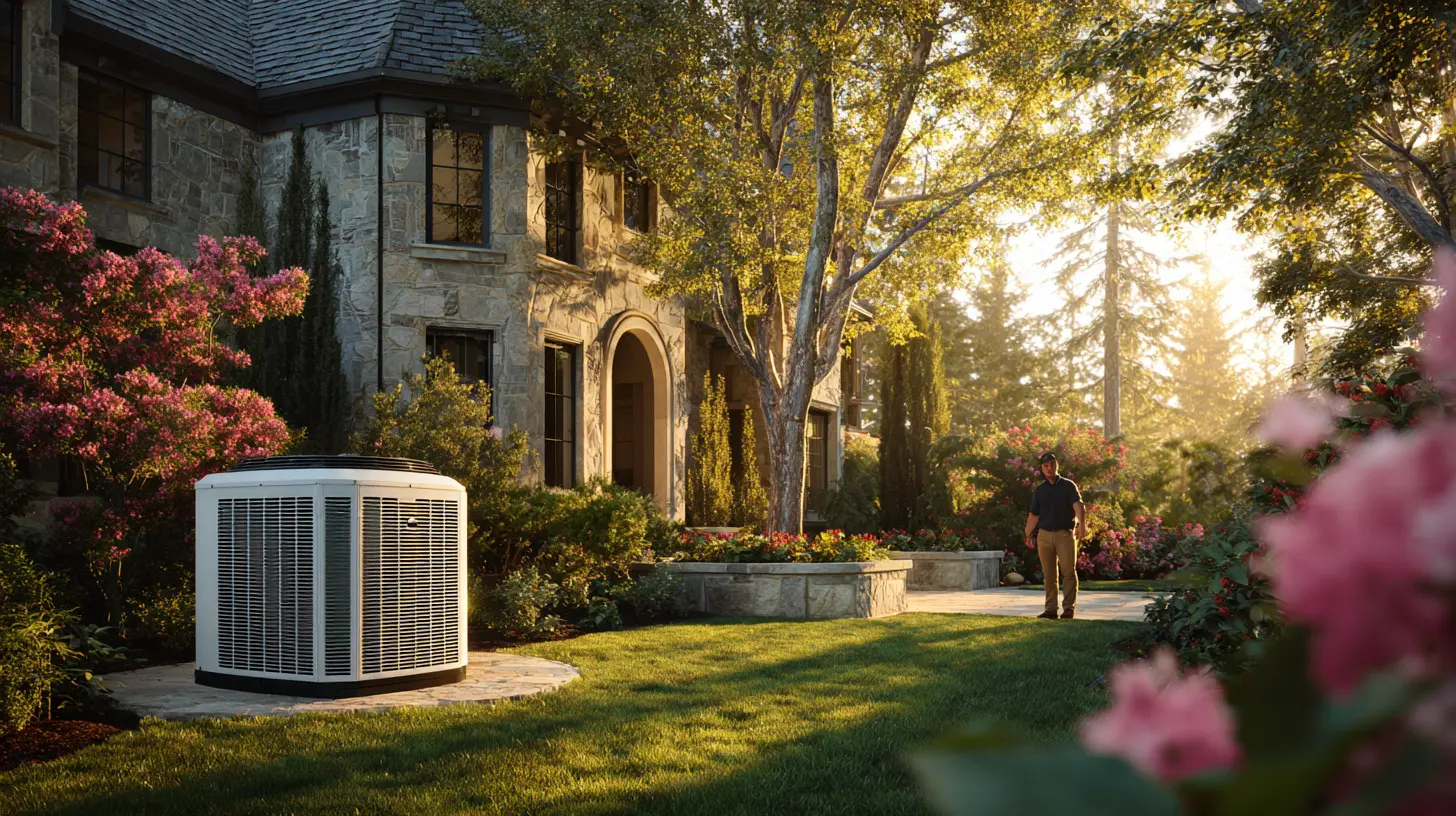
Many Westchester homeowners first notice HVAC problems not because the system stops working, but because it suddenly sounds different. As May transitions into summer, cooling systems begin running longer, outdoor temperatures rise, humidity increases, and older HVAC equipment starts operating under heavier demand. That change in workload often reveals noises that were hidden during spring weather.
Buzzing outdoor condensers, vibrating ductwork, rattling vents, loud startup noises, clicking thermostats, squealing blower motors, and noisy mini splits are all common early-summer HVAC complaints throughout Westchester County. In many cases, these sounds are warning signs that airflow, electrical, refrigerant, or mechanical problems are developing inside the system.
Older homes throughout Bronxville, Scarsdale, Larchmont, Rye, New Rochelle, White Plains, Harrison, and Mamaroneck are especially vulnerable because many HVAC systems operate inside older building envelopes with retrofit ductwork, aging insulation, mixed renovations, and partially modernized mechanical equipment.
While some HVAC sounds are harmless during startup or shutdown, others indicate problems that can worsen quickly during summer heat waves. Understanding which noises matter can help homeowners reduce repair costs, improve comfort, and prevent emergency system failures later in the cooling season.
Homeowners preparing HVAC systems for warmer weather may also benefit from our guide to Beat the Heat: Top Signs Your AC System Is Overdue for Maintenance for broader seasonal cooling system preparation.
During spring, HVAC systems may operate only occasionally. Once outdoor temperatures begin climbing in May and June, air conditioning systems run more frequently and under heavier load conditions.
That increased runtime places more stress on:
As systems cycle more often, loose components, restricted airflow, aging motors, refrigerant imbalance, and duct pressure changes become easier to hear.
Humidity can also affect system performance. Condensate drainage problems, swelling materials, and increased static pressure inside older duct systems may create additional noise during early summer.
One of the most common summer HVAC noises is a buzzing outdoor condenser unit.
Buzzing may come from failing contactors, loose electrical connections, damaged capacitors, or deteriorating wiring inside the condenser.
Because outdoor units are exposed to weather year-round, electrical components gradually deteriorate from heat, moisture, vibration, and corrosion.
A louder buzzing or humming sound may indicate compressor strain caused by dirty coils, refrigerant imbalance, restricted airflow, or aging internal components.
Compressors working harder during early summer often reveal underlying efficiency problems that were less noticeable during mild spring weather.
Outdoor buzzing should never be ignored if accompanied by poor cooling performance, hard starts, warm airflow, or frequent cycling.
Many older Westchester homes contain ductwork that was retrofitted through wall cavities, attic spaces, crawlspaces, and finished basements. As cooling demand increases, higher airflow velocity can cause loose duct sections or vents to rattle.
Common causes include:
Rattling often becomes more noticeable at night when cooling systems run continuously and indoor background noise decreases.
Homeowners experiencing airflow imbalance and duct-related comfort problems should also review our guide to HVAC challenges in older Bronxville homes and renovated Westchester properties.
Whistling sounds usually indicate airflow restriction somewhere inside the HVAC system.
Common causes include:
Airflow noise often signals efficiency problems. HVAC systems that struggle to move air properly may consume more energy while delivering uneven cooling throughout the home.
Restricted airflow can also increase strain on blower motors and contribute to evaporator coil freezing during humid summer conditions.
Squealing noises are commonly associated with blower motors or belt-driven air handler systems.
Older blower motors may develop worn bearings that create high-pitched squealing or grinding sounds during operation.
These noises often become louder as the motor heats up during extended summer runtime.
Some older air handlers still use belt-driven blower assemblies. Loose or deteriorating belts may squeal during startup or while airflow demand changes.
Improper belt tension can also reduce airflow and increase blower strain.
Ignoring squealing blower components may eventually lead to complete airflow failure or overheating motor damage.
Ductless mini split systems are generally quieter than traditional HVAC equipment, so sudden noise increases often indicate maintenance or installation issues.
Common mini split noises include:
Mini split systems installed in renovated attics, additions, and upper-floor bedrooms often run heavily during early summer because these spaces experience greater solar heat gain.
Some clicking sounds are normal when thermostats activate relays or zoning dampers. However, repeated clicking without proper startup may indicate electrical control problems.
Possible causes include:
Buildings with zoning systems may experience more noticeable control noise because multiple dampers and relays operate throughout the day.
Short cycling becomes more common during early summer as cooling demand fluctuates between mild and humid conditions.
Frequent startup and shutdown create repeated compressor noise that homeowners may suddenly notice.
Short cycling can be caused by:
Systems that cycle too frequently often experience reduced humidity control, increased electrical demand, and accelerated equipment wear.
As homeowners begin opening windows and using outdoor spaces more frequently during May and June, condenser vibration becomes more noticeable.
Common vibration causes include:
Homes with condensers installed near patios, decks, or bedroom windows often notice vibration problems more during early summer because outdoor activity increases significantly.
Higher humidity levels cause HVAC systems to remove more moisture from indoor air, increasing condensate production.
Condensate-related noises may include:
While some drainage sounds are harmless, clogged condensate lines can eventually create water damage risks inside attics, basements, and mechanical closets.
Homeowners preparing cooling systems for humid weather may also benefit from our guide to signs your AC system is overdue for maintenance.
Some HVAC sounds require immediate professional inspection.
Potential warning signs include:
Delaying service after major noise changes can increase repair costs significantly if motors, compressors, or electrical components continue operating under stress.
Many HVAC noise problems develop because systems enter summer without proper inspection or cleaning.
Preventive maintenance typically includes:
Routine maintenance often identifies vibration, airflow, and electrical issues before they become severe enough to create noticeable system noise.
Property owners in Sound Shore communities can also learn more through our Mamaroneck HVAC services page for local seasonal HVAC support.
HVAC systems rarely become noisy without a reason. Early-summer sounds often indicate airflow restrictions, electrical wear, mechanical imbalance, or increased cooling demand that should be diagnosed before peak summer heat arrives.
As Westchester homes transition into cooling season, HVAC systems naturally begin operating harder and longer. That increased demand often exposes airflow problems, loose components, aging motors, refrigerant imbalance, and electrical wear that developed gradually over time.
While some HVAC sounds are harmless, persistent buzzing, rattling, squealing, grinding, or vibration should never be ignored during early summer.
Prompt diagnostics and preventative maintenance can reduce repair costs, improve comfort, lower system strain, and help homeowners avoid emergency breakdowns during the hottest months of the year.
Yukos Mechanical helps homeowners throughout Westchester County diagnose HVAC noise problems, improve cooling system performance, and prepare equipment for reliable summer operation. Contact Yukos Mechanical to schedule a professional HVAC inspection today.
Early-season HVAC inspections can identify airflow restrictions, loose components, electrical wear, and cooling system strain before summer temperatures peak.
Schedule HVAC InspectionOur clients trust us for fast, reliable HVAC solutions—see their stories below!


Whether you’re planning a new system or just need service advice, our team is here to help—no pressure, no obligations.