
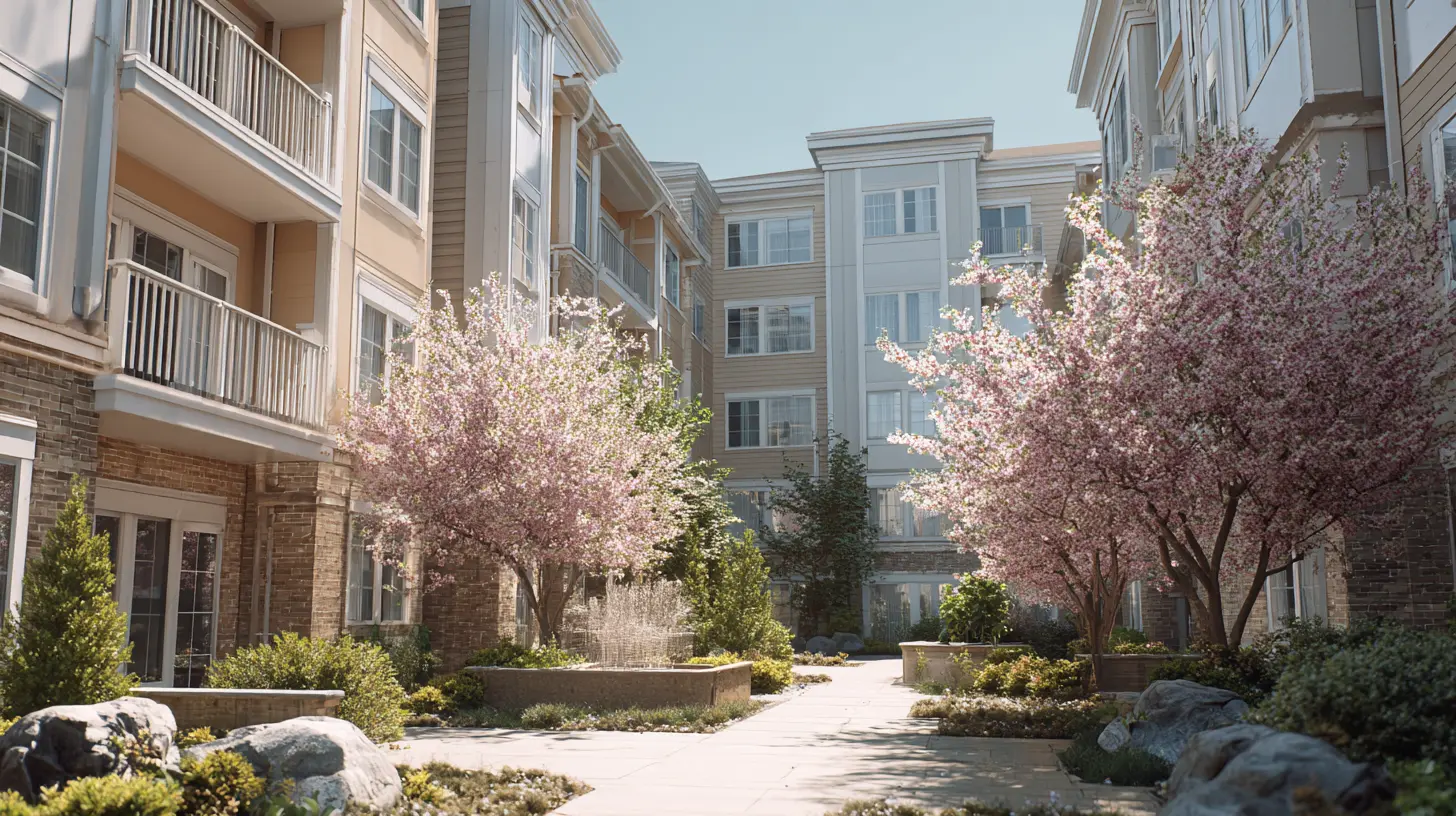
May is the month when HVAC problems in Lower Westchester start becoming visible. The heating season is winding down, apartments are switching from open-window comfort to air conditioning demand, and older homes begin exposing airflow, humidity, and cooling capacity issues that were easy to ignore during spring weather.
For homeowners, property managers, co-op boards, and mixed-use building owners in communities such as Yonkers, Mount Vernon, Bronxville, New Rochelle, Larchmont, Mamaroneck, Rye, Harrison, Scarsdale, and White Plains, early summer HVAC preparation is not just about turning on the air conditioner. It is about making sure the entire cooling system can handle long humid days, coastal moisture, older building envelopes, dense occupancy, and sudden heat waves.
Lower Westchester buildings are especially vulnerable because many properties combine older construction with modern comfort expectations. A home may have original framing, renovated kitchens, finished attics, new windows, older ductwork, and a cooling system that was never fully redesigned around the current layout. Apartment buildings may have packaged rooftop units, split systems, PTACs, hydronic heating infrastructure, common-area ventilation, and tenant-owned equipment all operating under one roof.
That mix creates summer HVAC problems that are often more complex than a simple repair call. Uneven cooling, weak airflow, high indoor humidity, noisy equipment, short cycling, refrigerant issues, clogged condensate drains, and rising utility bills often point to deeper system design or maintenance problems.
For buildings already dealing with older infrastructure, our guide to common HVAC problems in older Yonkers apartment buildings explains how age, equipment access, and deferred maintenance affect building-wide comfort.
May gives Lower Westchester property owners a short but valuable window between heating season and peak cooling season. Waiting until the first major heat wave often leads to delayed service, emergency repairs, tenant complaints, and rushed decisions about equipment replacement.
During May, HVAC contractors can usually evaluate cooling equipment under moderate load conditions before systems are pushed to full capacity. This makes it easier to identify weak components, airflow restrictions, dirty coils, drainage concerns, and control problems before summer demand becomes severe.
Early summer preparation is especially important for:
In Lower Westchester, summer comfort depends on more than temperature. Humidity control, ventilation, equipment sizing, duct performance, and maintenance history all influence how well a building performs once outdoor conditions become hot and sticky.
Uneven cooling is one of the most common early-summer HVAC complaints in Lower Westchester. Homeowners may notice that upstairs bedrooms become warm, finished attics feel uncomfortable, basements remain cold and damp, or newly renovated rooms never match the rest of the home.
Warm air naturally rises, and upper floors often receive more solar heat gain during the day. In older homes, limited attic insulation, undersized duct runs, and poor return air pathways can make second and third floors difficult to cool.
When the air conditioner is sized around the first floor or original home layout, upper bedrooms may remain uncomfortable even while the thermostat shows the correct temperature downstairs.
Renovations change how a home gains and loses heat. Expanded kitchens, large windows, finished attic spaces, home offices, and additions often have cooling needs that differ from the original structure.
If the HVAC system was not recalculated after renovation, some rooms may receive too little airflow while others become overcooled.
Uneven cooling often leads homeowners to lower the thermostat, but that rarely solves the root issue. It usually increases energy use, causes longer runtime, and can make humidity problems worse if airflow is not properly balanced.
Many Lower Westchester homes have ductwork that was installed decades ago or retrofitted through tight wall cavities, attic spaces, basements, and crawl areas. Even when equipment is newer, older duct systems may not be capable of delivering the airflow modern cooling systems require.
Common duct-related summer problems include:
Weak airflow can cause the cooling system to run longer while still failing to cool the home evenly. It can also contribute to frozen evaporator coils, noisy operation, poor humidity removal, and premature equipment wear.
Homeowners dealing with renovation-related airflow issues may also find useful context in our guide to HVAC challenges in older Bronxville homes and renovated Westchester properties.
Lower Westchester summers are not only hot; they are humid. Homes and apartment buildings near the Sound Shore, older masonry properties, shaded lots, and buildings with limited ventilation can develop moisture problems even before peak summer temperatures arrive.
High indoor humidity can make a space feel warm even when the thermostat temperature appears reasonable.
Common signs include:
Cooling performance is not just about temperature. A properly maintained HVAC system should also remove humidity, move air evenly, and maintain stable comfort through changing summer conditions.
Humidity problems are often caused by oversized equipment, dirty evaporator coils, poor airflow, short cycling, inadequate ventilation, or drainage issues. In some homes, supplemental dehumidification or zoning improvements may be needed.
Short cycling occurs when an air conditioning system turns on and off too frequently instead of completing longer, stable cooling cycles. This issue often becomes noticeable in May because outdoor temperatures are warm enough to trigger cooling but not always hot enough to require long runtime.
Short cycling reduces humidity removal, increases electrical demand, places extra stress on compressors and contactors, and can make indoor temperatures feel unstable.
In older homes and multi-family buildings, short cycling may also indicate that previous equipment replacements were completed without proper load calculations.
Because short cycling can damage expensive components, it should be diagnosed before peak summer conditions arrive.
Air conditioning systems rely on clean indoor and outdoor coils to transfer heat efficiently. After a long fall, winter, and spring season, outdoor condenser coils may be coated with pollen, leaves, dust, grass clippings, and debris.
Dirty coils can cause:
Indoor evaporator coils can also become dirty when filters are neglected or return air pathways pull dust from basements, attics, or older wall cavities.
Building owners preparing systems for summer should review our guide to signs your AC system is overdue for maintenance for additional warning signs.
As air conditioners remove humidity, they produce condensate that must drain safely away from the system. In humid Lower Westchester summers, condensate systems may operate heavily for weeks at a time.
Clogged or poorly pitched drains can quickly create water damage risks.
Common condensate problems include:
Condensate issues are especially important in attic air handlers, finished basements, apartment mechanical closets, and commercial tenant spaces where water damage can spread quickly.
Ductless mini splits are increasingly common throughout Lower Westchester because they work well in homes and apartments where ductwork is limited or impractical.
They are often used for:
However, mini splits require routine maintenance before summer. Dirty filters, clogged blower wheels, blocked condensate drains, and neglected outdoor units can reduce performance quickly.
When mini splits are installed as a patch for poor central HVAC performance, they may improve one room while leaving whole-home comfort problems unresolved.
Many Lower Westchester mixed-use buildings and small commercial properties rely on rooftop HVAC units. These systems face harsh year-round exposure and often receive limited attention until tenants report comfort problems.
Rooftop units can be difficult to access in dense downtown areas, older commercial corridors, and mixed-use properties. This often leads to skipped maintenance and delayed repairs.
May inspections help identify service needs before roof temperatures rise and equipment becomes harder to work on safely.
For mixed-use and apartment properties, our article on HVAC problems in White Plains apartment buildings and mixed-use properties provides additional building-specific insight.
Smart thermostats and building controls are useful tools, but they can create problems when installed without evaluating equipment compatibility, zoning design, or sensor placement.
Common thermostat-related issues include:
In multi-zone homes, thermostat placement and damper coordination become especially important because one incorrect reading can affect comfort throughout multiple areas.
Summer cooling places heavy demand on electrical infrastructure. Older Lower Westchester homes and apartment buildings may have electrical panels, circuits, or disconnects that were never designed for modern HVAC loads.
This is especially relevant when adding:
Repeated breaker trips, dimming lights, overheating disconnects, or unreliable startup should never be ignored. Electrical concerns should be evaluated before replacing or expanding HVAC equipment.
Lower Westchester includes a wide range of building types, from dense apartment buildings in Yonkers and Mount Vernon to renovated homes in Bronxville, Scarsdale, Larchmont, Mamaroneck, Rye, Harrison, and New Rochelle.
Each property type creates different HVAC challenges. Dense apartment buildings often struggle with equipment access, ventilation, and tenant comfort consistency. Renovated single-family homes may experience zoning imbalance, duct limitations, and humidity problems. Mixed-use properties may require both residential comfort and commercial reliability.
Property owners in Sound Shore communities can learn more through our New Rochelle HVAC services page for local Lower Westchester HVAC support.
A thorough May inspection can help prevent emergency cooling failures once summer heat arrives.
Important maintenance steps include:
Maintenance should be documented for multi-family buildings, co-ops, and managed properties so recurring issues can be tracked from season to season.
Some summer HVAC problems can be resolved with cleaning, adjustments, parts replacement, or airflow balancing. Others indicate that the system is approaching the end of its useful service life.
Replacement may be worth evaluating when a system has:
The best replacement decisions start with load calculations, airflow evaluation, and a clear understanding of the building's actual summer comfort problems.
Summer HVAC readiness starts before the first heat wave. May is the ideal time to identify weak airflow, humidity problems, dirty coils, drainage issues, and aging equipment before Lower Westchester cooling demand peaks.
Lower Westchester buildings face unique summer HVAC challenges because many properties combine older construction, renovations, dense occupancy, humidity exposure, and modern comfort expectations.
As May transitions into summer, property owners should look beyond whether the air conditioner turns on. True summer readiness requires stable airflow, proper humidity removal, clean coils, reliable drainage, accurate controls, and equipment sized for the building's real cooling load.
Preventive maintenance and early diagnostics can reduce emergency repairs, improve comfort, lower operating costs, and protect equipment before summer conditions become severe.
Yukos Mechanical helps homeowners, property managers, and building owners throughout Lower Westchester prepare HVAC systems for summer with seasonal maintenance, diagnostics, airflow evaluation, and system modernization support. Contact Yukos Mechanical to schedule a professional HVAC evaluation today.
Seasonal maintenance, airflow diagnostics, and early repairs can help prevent emergency cooling failures, humidity problems, and tenant comfort complaints during summer.
Schedule Summer HVAC ServiceOur clients trust us for fast, reliable HVAC solutions—see their stories below!


Whether you’re planning a new system or just need service advice, our team is here to help—no pressure, no obligations.