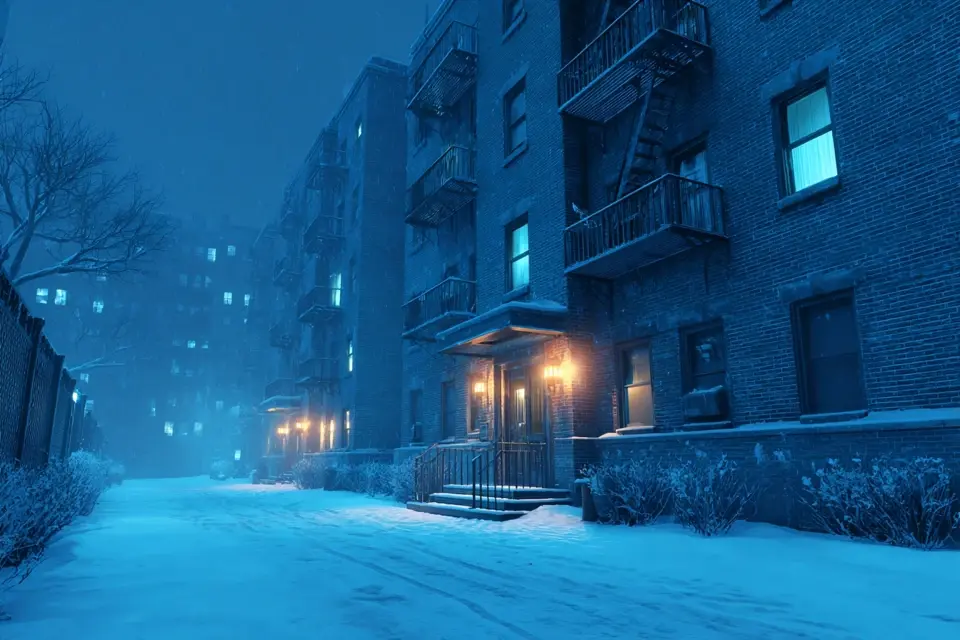
A no-heat emergency in January is one of the most serious situations a homeowner or property manager can face in the New York Tri-State region. During prolonged sub-freezing weather, indoor temperatures can fall rapidly after heating failure, creating immediate risks not only for comfort, but also for plumbing systems, HVAC equipment, and the building structure itself.
Without heat, water inside pipes may begin freezing within hours. As ice expands, it places extreme pressure on piping, valves, fittings, and hydronic components. At the same time, boilers, furnaces, heat pumps, and circulation systems operate under abnormal conditions that can cause hidden internal damage even before the system fully shuts down.
Winter No-Heat Emergency: If indoor temperatures are dropping rapidly or pipes are at risk of freezing, immediate HVAC response is critical. Fast professional action can prevent burst pipes, mechanical damage, and major repair costs during January cold snaps.
Most January heating outages follow predictable stress patterns caused by sustained runtime demand, aging equipment, airflow restrictions, frozen piping, or control failures. These same conditions are commonly seen in common winter HVAC failures throughout the Tri-State area, especially during extended periods of freezing weather.
January is typically the coldest and most mechanically demanding month of the year for HVAC systems throughout Westchester County and the surrounding region.
By this point in winter:
As systems lose efficiency and mechanical tolerance narrows, the risk of complete heating failure increases substantially.
Most catastrophic winter HVAC losses occur because response was delayed after heat was lost — not simply because the original failure happened.
When a no-heat emergency occurs, the first priority is determining whether the issue is localized or system-wide.
Taking calm, methodical action can significantly reduce the risk of secondary property damage.
Simple control or electrical issues occasionally cause apparent heating failure without major mechanical damage.
Thermostat problems, tripped breakers, and safety switches can sometimes disable heating systems even when major HVAC components remain operational.
If indoor temperatures begin falling quickly, protecting plumbing becomes critical.
Homes throughout Yonkers HVAC services and other older Westchester communities often face elevated freeze risk because many properties contain aging piping systems and partially insulated mechanical spaces.
Even if the source of failure seems minor, professional evaluation should not wait.
A licensed HVAC technician can:
Many winter outages involve the same warning signs discussed in our guide to late-winter HVAC warning signs in Westchester homes.
Frozen pipes are one of the most expensive consequences of a January no-heat emergency.
Damage often occurs during thawing, when cracked piping begins leaking into:
If heat cannot be restored quickly, additional protective measures may become necessary.
Water expands significantly during freezing. Even small ice blockages can create enormous pressure inside plumbing and hydronic systems before visible rupture occurs.
Property owners concerned about freeze-related damage should also review our guide to frozen pipes and winter HVAC risks.
During winter heating failures, well-intentioned actions sometimes worsen the situation.
Important mistakes to avoid include:
Repeated system resets may bypass safety controls while placing additional stress on already damaged components.
Improper emergency heating methods can create electrical hazards, combustion risks, or fire exposure during winter outages.
Once heating returns, the emergency should not automatically be considered resolved.
No-heat events frequently leave behind hidden damage involving:
Scheduling a full HVAC inspection after restoration is critical for long-term reliability.
Systems that skipped preventative maintenance — similar to the issues discussed in pre-winter boiler and furnace inspections — are especially vulnerable to hidden stress damage after winter outages.
Many January no-heat emergencies begin with underlying efficiency problems that slowly worsen throughout the season.
Common contributors include:
These same issues often appear in HVAC energy-efficiency evaluations and winter operating-cost analysis.
Many older homes and multifamily buildings throughout Westchester County contain infrastructure that increases winter HVAC vulnerability.
Common risk factors include:
Properties throughout Scarsdale HVAC services and surrounding historic communities often require more proactive winter HVAC planning because of these structural limitations.
Many of these operational challenges overlap with the concerns discussed in our guide to boiler and hydronic heating problems in older buildings.
The safest no-heat emergency is the one that never occurs.
Preventative winter HVAC strategies include:
Most severe winter HVAC failures reveal warning signs before complete shutdown occurs.
Homeowners focused on long-term system reliability may also benefit from our guide to preventative HVAC maintenance for homeowners.
Modern HVAC upgrades often improve winter reliability by reducing mechanical strain and improving environmental stability.
Specialized residential environmental-control projects such as this wine room condenser replacement project in Greenwich demonstrate how properly engineered systems maintain stable performance under demanding environmental conditions.
Commercial facilities evaluating advanced ventilation and mechanical modernization may also benefit from reviewing the Wolf Brewery HVAC project in White Plains.
Fast HVAC response, freeze prevention, and proactive maintenance are the most important tools for reducing damage during January no-heat emergencies.
A January no-heat emergency is never simply a comfort issue. In the New York Tri-State region, loss of heat can quickly threaten plumbing systems, HVAC equipment, structural materials, and occupant safety.
Fast professional response, freeze protection, and preventative HVAC planning dramatically reduce the likelihood of catastrophic winter damage while improving long-term system reliability.
Yukos Mechanical helps homeowners, landlords, and property managers throughout Westchester County respond to heating emergencies, stabilize HVAC systems, reduce freeze-related risk, and maintain reliable winter heating performance through professional HVAC service and preventative maintenance. Contact Yukos Mechanical to schedule professional HVAC support today.
Fast professional HVAC response can protect your system and your property during extreme winter conditions.
Request Emergency ServicePipes can begin freezing within several hours during sub-freezing temperatures, especially in poorly insulated areas such as basements, crawlspaces, and exterior walls.
Homeowners should first verify thermostat settings, power supply, circuit breakers, and emergency shutoff switches before assuming major HVAC failure.
Yes. Repeatedly resetting furnaces or boilers can bypass safety controls and place additional stress on already damaged components.
Older homes often contain aging boilers, hydronic piping, drafty construction, and insufficient insulation that increase winter HVAC strain and freeze risk.
Yes. Heating outages can leave behind hidden mechanical, airflow, or combustion-related damage that should be professionally evaluated after heat is restored.
Our clients trust us for fast, reliable HVAC solutions—see their stories below!


Whether you’re planning a new system or just need service advice, our team is here to help—no pressure, no obligations.