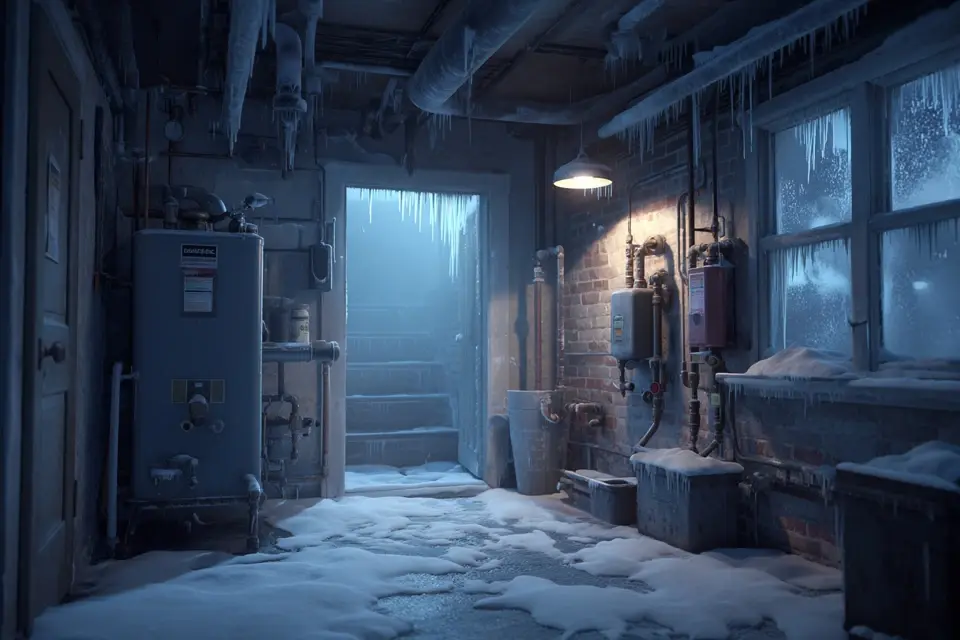
January places extreme stress on heating systems across New York, New Jersey, and Connecticut. Extended cold snaps, nonstop runtime demand, overnight freezes, and aging infrastructure create the perfect conditions for HVAC breakdowns, frozen piping, airflow imbalance, and costly winter emergencies.
For many homeowners and property managers throughout Westchester County, January is when small HVAC issues finally escalate into major system failures. Boilers that struggled quietly in December begin locking out. Hydronic systems lose circulation balance. Furnaces short cycle under continuous demand. Minor airflow restrictions suddenly become comfort and safety problems.
Many of these failures are preventable through proactive January inspections focused specifically on winter system stability, freeze prevention, combustion safety, airflow performance, and operational reliability.
Property owners concerned about seasonal HVAC risk should also review common winter HVAC risks affecting Tri-State buildings, since January intensifies nearly all cold-weather system vulnerabilities.
January HVAC failures rarely happen suddenly. Most winter breakdowns begin as small airflow, circulation, or control problems that worsen under prolonged cold-weather demand.
Unlike early winter, January forces HVAC systems into sustained heavy operation for extended periods.
During January:
Even systems that appeared stable earlier in winter may begin showing signs of stress once runtime hours accumulate.
January exposes hidden HVAC issues because systems have already operated for months before reaching the coldest and most mechanically demanding part of the season.
Many homes and multifamily buildings throughout Westchester County contain HVAC infrastructure that was never designed for modern efficiency standards or continuous winter demand.
Common risk factors include:
Properties throughout Bronxville HVAC services frequently experience airflow imbalance and heating inconsistency because many homes combine historic construction with partially modernized HVAC systems.
Many of these operational challenges align closely with the issues discussed in our guide to HVAC challenges in older Westchester homes.
Frozen piping and hydronic circulation problems remain among the most expensive winter HVAC failures throughout the Tri-State area.
January inspections should focus on both heat generation and heat distribution.
Boiler safeties and furnace controls protect HVAC systems from unsafe operating conditions.
Important components include:
As runtime hours increase during January, even small control issues can trigger repeated shutdowns or unstable operation.
Frozen pipes commonly begin in predictable high-risk locations.
Homes throughout Scarsdale HVAC services frequently face freeze-related risk because many older homes contain partially insulated mechanical areas and aging hydronic systems.
Property owners concerned about circulation problems should also review our guide to how frozen pipes impact HVAC systems during winter.
Hydronic systems rely on continuous circulation. Frozen piping restricts flow, increases pressure imbalance, and forces boilers and pumps into abnormal operating conditions.
Circulation pumps are critical components in hydronic heating systems.
Signs of circulation stress include:
Many multifamily properties throughout Westchester experience these same circulation problems during prolonged cold weather.
Property managers overseeing larger hydronic systems may also benefit from reviewing our guide to boiler and hydronic heating problems in Westchester buildings.
Improper thermostat calibration can significantly increase HVAC strain during January.
Control issues often cause:
Even minor control inaccuracies become magnified during extended cold-weather operation.
January HVAC breakdowns usually provide warning signs before complete failure occurs.
Watch for:
These symptoms often indicate airflow restriction, hydronic imbalance, combustion inefficiency, or failing components.
Homeowners experiencing weak airflow or inconsistent heating may also benefit from our guide to common HVAC maintenance warning signs.
Most emergency winter HVAC failures begin with small comfort issues that are ignored until system stability collapses during extreme cold.
Many homeowners assume HVAC efficiency only matters during mild weather. In reality, January efficiency adjustments can significantly reduce equipment stress and lower operating costs.
Mid-winter efficiency improvements may include:
These same principles are discussed in our guide to HVAC energy-saving strategies for lower heating costs.
Many HVAC systems receive preseason service in the fall but never undergo additional evaluation during the peak of winter demand.
January maintenance focuses on:
Buildings that skipped preseason inspections should especially revisit the recommendations outlined in winter boiler and furnace preparation guidance.
Modern HVAC system design improves winter reliability by stabilizing airflow, environmental control, and mechanical performance during prolonged cold-weather operation.
Specialized residential projects such as this wine room condenser replacement project in Greenwich demonstrate how properly engineered environmental-control systems maintain stable conditions under demanding operational loads.
Commercial facilities focused on advanced airflow and ventilation performance may also benefit from reviewing the Wolf Brewery HVAC project in White Plains, which involved specialized ventilation and environmental-management planning.
If your HVAC system is:
January HVAC service becomes critically important.
Professional inspections during peak winter demand help identify hidden vulnerabilities before they escalate into emergency no-heat situations.
Proactive January HVAC inspections reduce freeze-related risk, improve heating reliability, and help prevent costly emergency outages during the coldest weeks of the year.
January is the most mechanically demanding month of the year for HVAC systems throughout the New York Tri-State area. Continuous heating demand, prolonged freezing temperatures, aging infrastructure, and hidden airflow or circulation issues all combine to create elevated winter failure risk.
Proactive HVAC inspections, freeze prevention, airflow evaluation, and hydronic system monitoring dramatically improve heating reliability while reducing the likelihood of costly emergency breakdowns.
Yukos Mechanical helps homeowners and property managers throughout Westchester County improve winter HVAC reliability, diagnose freeze-related heating problems, stabilize airflow performance, and protect buildings from cold-weather mechanical failures through professional HVAC service and preventative maintenance. Contact Yukos Mechanical to schedule professional January HVAC service today.
January inspections help prevent freezing, breakdowns, and costly emergency repairs during peak cold.
Schedule January ServiceJanuary combines prolonged cold temperatures with nonstop heating demand, placing extreme stress on boilers, furnaces, pumps, airflow systems, and controls.
Boilers commonly fail because of frozen pipes, circulation problems, pressure imbalance, airflow restrictions, or aging components operating under sustained demand.
Maintaining stable indoor temperatures, insulating exposed piping, replacing filters, sealing drafts, and scheduling winter HVAC inspections all help reduce freeze-related failures.
Short cycling may result from thermostat issues, airflow restrictions, combustion problems, or oversized equipment struggling to maintain stable operation.
Professional HVAC service should be scheduled immediately when systems show uneven heating, unusual noises, short cycling, airflow problems, or signs of freeze-related stress.
Our clients trust us for fast, reliable HVAC solutions—see their stories below!


Whether you’re planning a new system or just need service advice, our team is here to help—no pressure, no obligations.