Wine storage is one of the most demanding residential cooling applications in modern luxury homes. Unlike traditional HVAC systems that prioritize occupant comfort, wine room cooling systems are engineered for precision, consistency, humidity stability, and long-term environmental control. In high-end areas such as Greenwich, CT and the surrounding New York Tri-State region, custom wine cellars require refrigeration systems capable of operating reliably through extreme seasonal conditions year-round.
Luxury homeowners throughout Greenwich, Rye, Scarsdale, Harrison, Larchmont, Mamaroneck, and Westchester County increasingly incorporate climate-controlled wine rooms into renovated basements, entertainment spaces, and custom residential additions. These installations require far more than standard air conditioning. Even minor temperature fluctuations, humidity imbalance, or ventilation problems can affect wine aging, cork integrity, and long-term collection preservation.
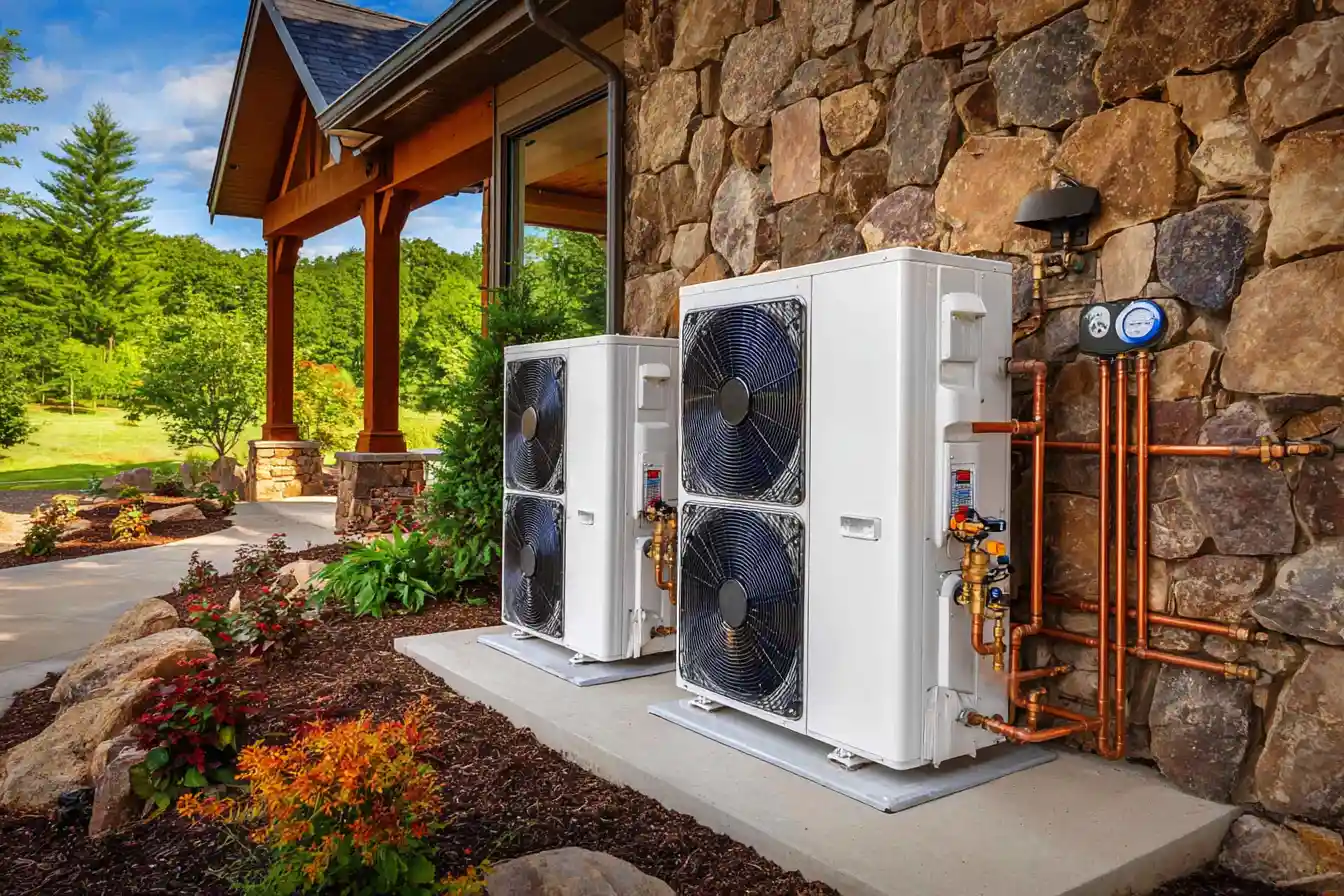
A recent wine room condenser replacement project in Greenwich CT demonstrated how critical proper system design, refrigeration calibration, airflow planning, and preventative maintenance are for reliable wine storage performance.
Unlike traditional comfort cooling systems, wine room HVAC systems must maintain stable environmental conditions continuously while balancing refrigeration performance, humidity control, airflow management, and outdoor operating conditions.
Wine is highly sensitive to environmental instability. Temperature swings, excessive dryness, elevated humidity, or improper airflow can accelerate aging, damage corks, alter flavor profiles, and permanently affect valuable collections.
Because of these risks, wine rooms use refrigeration-based cooling systems specifically engineered for precision environmental management.
Most properly designed wine rooms maintain:
In the Northeast, maintaining these conditions becomes especially difficult because outdoor temperatures shift dramatically between humid summers and freezing winters.
Wine room cooling systems are refrigeration systems first and comfort systems second. Precision stability matters far more than rapid temperature change.
Many homeowners initially assume a standard air conditioner can cool a wine cellar effectively. However, conventional HVAC systems are not designed for the precise environmental requirements necessary for long-term wine storage.
Standard air conditioners are designed to cool occupied living spaces and often remove too much moisture from the air.
Over-dehumidification can dry corks, allow oxygen intrusion, and damage wine quality over time.
Traditional HVAC systems cycle based on comfort demand rather than precision refrigeration control.
This creates larger temperature fluctuations that are unacceptable for proper wine preservation.
Luxury homes evaluating specialty cooling systems may also benefit from our guide to ductless mini split vs central air conditioning for broader cooling system comparisons.
The condensing unit is one of the most critical components in any wine room refrigeration system.
The condenser removes heat absorbed inside the wine room and releases it outdoors, allowing the system to maintain stable internal conditions continuously.
Because condensers often operate outdoors year-round, proper placement, weather protection, airflow clearance, and cold-weather configuration are essential for long-term reliability.
Many refrigeration-related principles used in wine cooling systems also apply to specialty commercial HVAC applications involving precision environmental control.
High-end residential wine rooms frequently use dual-condenser configurations to improve reliability and reduce risk.
If one condenser fails, the secondary unit can continue maintaining temperature stability and protect the wine collection from catastrophic temperature rise.
Dual systems may alternate operation, reducing strain on individual components and extending overall equipment lifespan.
This strategy improves reliability during heavy summer cooling demand.
In the Greenwich project, the newly installed condenser became the primary operating unit while improving system balance and redundancy.
Outdoor condenser installation requires far more planning than simply mounting equipment outside the home.
Several technical factors directly affect long-term refrigeration performance.
Outdoor condensers must be elevated properly to protect against:
Cold Northeast winters make proper equipment elevation especially important.
Restricted airflow is one of the most common causes of refrigeration performance problems.
Condensers require sufficient spacing and unobstructed airflow to reject heat efficiently during warmer weather.
Outdoor refrigeration equipment is exposed to landscaping debris, weather, leaves, and accidental physical damage.
Protective enclosures help safeguard sensitive components while maintaining necessary airflow circulation.
Wine room cooling systems rely on precise electrical integration for:
These installation details are especially important in high-end refrigeration applications where precision cooling and long-term environmental stability are critical. Homeowners evaluating advanced cooling systems may also benefit from our guide to humidity control challenges in older Westchester homes.
One of the most important — and frequently overlooked — components in refrigeration systems is the thermostatic expansion valve (TXV).
The TXV regulates refrigerant flow entering the evaporator coil based on cooling demand.
Proper TXV calibration helps:
Improper TXV settings can create dangerous temperature instability inside a wine room. Precise startup calibration is essential for protecting long-term wine quality.
Installing refrigeration equipment correctly is only part of the process. Proper startup and commissioning determine whether the system operates reliably over time.
Important commissioning procedures include:
Without proper commissioning, even premium refrigeration systems may struggle with inconsistent performance or premature wear.
Wine room cooling systems often develop problems caused by installation errors, neglected maintenance, or environmental exposure.
Common issues include:
Routine preventative maintenance is essential because system failure can place valuable wine collections at risk.
Homeowners focused on long-term system reliability may also benefit from our guide to ultimate HVAC maintenance guide for homeowners.
Homes throughout Greenwich, Rye, Scarsdale, and the surrounding Sound Shore region experience major seasonal weather swings that directly affect refrigeration performance.
Proper system design must account for all seasonal operating conditions to ensure stable year-round wine preservation.
Wine room cooling systems require ongoing preventative maintenance to maintain reliable operation and environmental stability.
Routine maintenance tasks include:
Luxury homes throughout Rye HVAC services frequently require specialty cooling maintenance because high-end refrigeration systems operate continuously year-round.
Wine room cooling systems are highly specialized refrigeration systems that require advanced technical knowledge involving:
Unlike conventional residential HVAC systems, wine room cooling systems require extremely stable operating conditions with minimal environmental fluctuation.
Precision refrigeration matters because wine collections cannot tolerate environmental instability. Proper system design, commissioning, and maintenance all directly affect long-term preservation quality.
Wine room cooling systems require far more precision than traditional residential HVAC equipment. Proper refrigeration design, humidity control, airflow management, TXV calibration, and preventative maintenance all work together to maintain the stable conditions necessary for long-term wine preservation.
In luxury homes throughout Greenwich and the New York Tri-State area, properly designed wine room refrigeration systems protect valuable collections while delivering reliable year-round environmental stability through changing seasonal conditions.
Yukos Mechanical helps homeowners throughout Westchester County and the surrounding region design, maintain, and modernize specialty cooling systems for luxury residential environments. Contact Yukos Mechanical to schedule a professional wine room cooling consultation today.
Get expert guidance on designing, upgrading, or maintaining your wine room HVAC system.
Schedule a ConsultationWine rooms should typically be maintained between 55°F and 58°F. This range allows wine to age properly while preserving its flavor, aroma, and overall quality over time.
Standard air conditioning systems are not designed for the precise temperature and humidity control required for wine storage. They tend to over-dehumidify the space and cycle inconsistently, which can damage corks and affect wine aging.
A thermostatic expansion valve (TXV) regulates the amount of refrigerant entering the evaporator coil. Proper TXV calibration ensures stable cooling, prevents coil freezing, and maintains consistent temperature conditions inside the wine room.
Wine cooling systems should be professionally serviced at least once per year. For high-value collections or systems operating continuously, semi-annual maintenance is recommended to ensure optimal performance and prevent unexpected failures.
If a wine room loses cooling, temperatures can rise quickly, especially during warmer months. This can accelerate aging, spoil wine, or cause irreversible damage. That’s why many systems include redundancy, such as dual condensers, to maintain protection.
Our clients trust us for fast, reliable HVAC solutions—see their stories below!


Whether you’re planning a new system or just need service advice, our team is here to help—no pressure, no obligations.