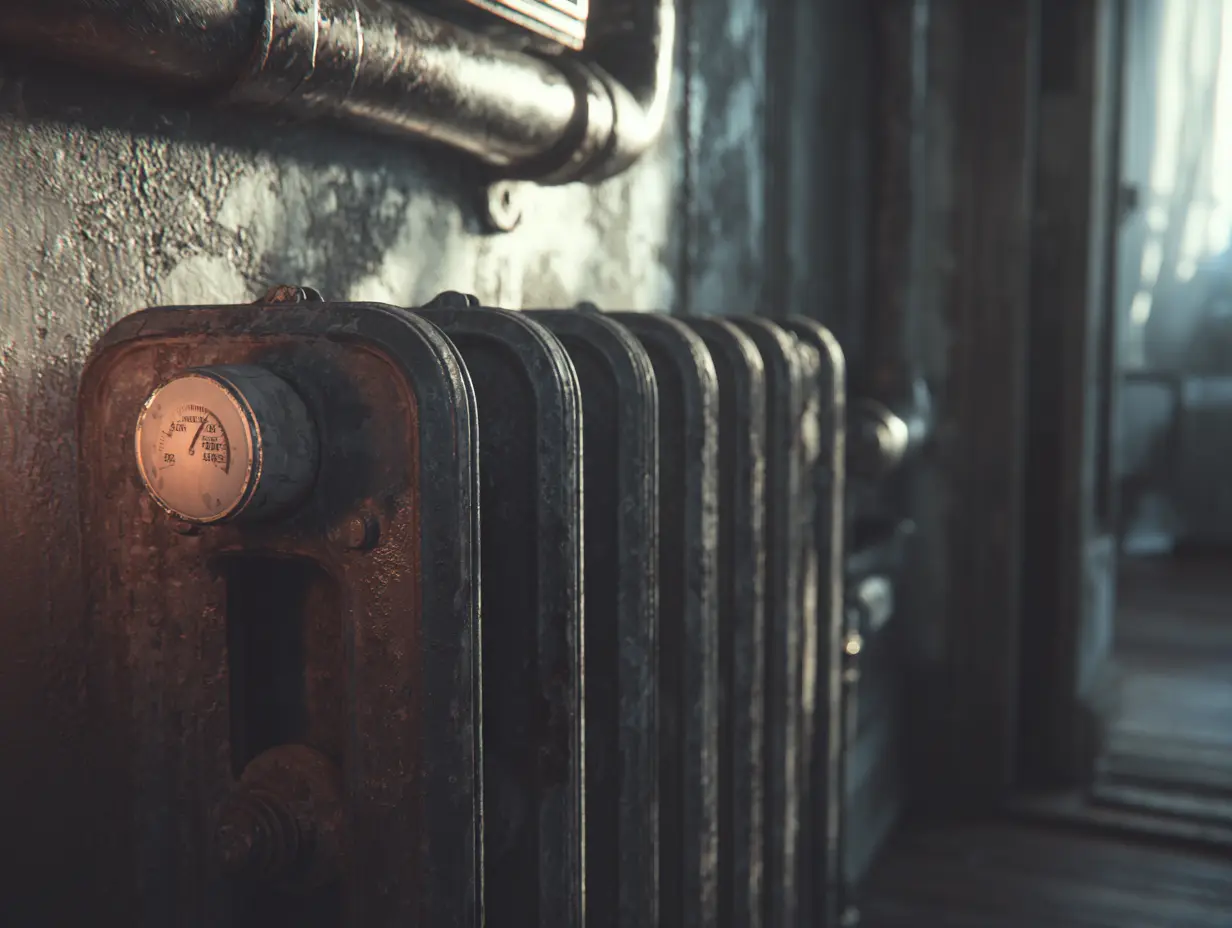
Older apartment buildings in Yonkers often experience HVAC problems that develop gradually over decades of system wear, renovations, deferred maintenance, and changing occupancy demands. While many of these buildings remain structurally solid, the heating and cooling systems serving them are frequently operating under conditions they were never originally designed to handle.
From aging boiler systems and poorly balanced radiators to airflow restrictions, ventilation limitations, and inconsistent cooling between floors, HVAC issues in older multifamily buildings rarely come from one isolated component failure. Instead, they usually result from multiple system conditions affecting comfort, efficiency, and long-term equipment reliability throughout the property.
Residents may notice overheating apartments, rooms that never fully cool during summer, excessive humidity, noisy piping, stale hallway air, or radiators that operate inconsistently depending on outdoor temperatures. Building owners and property managers often face rising operating costs, repeated tenant complaints, and equipment reliability concerns during periods of peak heating or cooling demand.
Yonkers contains a wide range of apartment buildings constructed across different decades and building standards. Many older properties still rely on central steam boilers, hydronic radiator systems, rooftop exhaust systems, and ventilation layouts developed long before modern cooling expectations existed. Others have gradually added ductless systems, through-wall cooling units, upgraded thermostats, or partial renovations over time.
These buildings often contain HVAC infrastructure that evolved in stages rather than through one coordinated modernization plan. Renovated apartments may sit next to units with original piping and controls. New cooling equipment may operate alongside aging boilers or older electrical infrastructure. The result is frequently an HVAC system that functions, but no longer operates efficiently or evenly throughout the property.
Property owners evaluating local heating and cooling support can review our Yonkers NY 10701 HVAC service area page for additional information about residential and multifamily HVAC support in the area.
Property managers planning preventative maintenance before winter demand may also benefit from our guide covering the hidden ROI of pre-winter HVAC maintenance, especially for older multifamily heating systems.
Uneven heating remains one of the most common HVAC complaints in older Yonkers apartment buildings. Steam and hydronic heating systems depend heavily on proper balancing, circulation, venting, and pressure control. As systems age, even small issues can create noticeable comfort differences between apartments.
Lower-floor units near boiler rooms may overheat while upper-floor apartments struggle to maintain comfortable temperatures. Trapped air, failing circulators, clogged returns, radiator vent issues, and poorly balanced zones can all reduce heat delivery to parts of the building.
Residents often respond by opening windows during winter, using portable heaters, or adjusting radiator valves incorrectly, which may place even more stress on the heating system and increase operating costs for the building.
Loud banging pipes, hissing radiators, and steam hammer are extremely common in older apartment buildings throughout Yonkers. While some operational noise may occur naturally in aging systems, heavy pipe banging usually indicates drainage or pressure problems inside the steam system.
Steam hammer often develops when condensate water cannot drain properly and steam pushes water through horizontal piping at high velocity. Poor pipe pitch, clogged condensate returns, excessive boiler pressure, failing steam traps, or years of patchwork repairs may all contribute to the problem.
Noise complaints are not only comfort issues. They often indicate deeper system inefficiencies that can increase fuel usage, accelerate wear on boiler components, and reduce long-term reliability throughout the building.
Many older Yonkers apartment buildings were constructed before central air conditioning became common. As a result, cooling infrastructure is often limited, inconsistent, or heavily dependent on window AC units installed over many years by different occupants.
Window units frequently create uneven cooling, electrical strain, water leakage around windows, and poor comfort in interior rooms with limited airflow. Top-floor apartments may become especially difficult to cool during periods of high summer heat because older roofing systems and insufficient attic insulation retain significant heat throughout the day.
Ductless mini-split systems are increasingly used as retrofit cooling solutions because they allow zoned temperature control without requiring extensive duct installation. However, retrofitting older apartment buildings still requires careful planning related to electrical capacity, condensate drainage, refrigerant line routing, and outdoor equipment placement.
Ventilation and airflow issues are another major challenge in older multifamily buildings. Many Yonkers apartment properties were originally designed around natural air leakage through windows, stairwells, masonry construction, and older ventilation assumptions that no longer match modern building conditions.
As windows are replaced and insulation improves, stale indoor air, humidity buildup, condensation, and airflow imbalance can become more noticeable. Hallways may feel stuffy, bathrooms may retain moisture longer than expected, and lower-level apartments may develop musty odors or persistent humidity problems.
Ventilation evaluations often involve reviewing rooftop exhaust systems, bathroom exhaust airflow, fresh air pathways, corridor ventilation, and duct cleanliness. In some buildings, ventilation equipment still operates mechanically while moving very little actual air because of clogged ducts, failing fans, or disconnected exhaust sections hidden above ceilings.
For buildings dealing with lower-level moisture problems, our article covering HVAC solutions for damp basements explains how ventilation, dehumidification, and airflow management affect long-term comfort and air quality.
Many older apartment buildings still rely on outdated controls that struggle to maintain stable temperatures throughout the property. Some systems use a single thermostat to regulate an entire building, while others depend on manual seasonal adjustments that no longer reflect actual occupancy patterns or insulation conditions.
Poor thermostat placement may also contribute to building-wide comfort imbalance. A thermostat located near the boiler room, inside a warmer apartment, or near direct sunlight may not accurately represent conditions throughout the building.
Modern control upgrades can often improve comfort without requiring complete system replacement. Outdoor reset controls, improved scheduling, staged boiler operation, updated sensors, and thermostatic radiator valves can significantly improve consistency while reducing unnecessary energy usage.
HVAC modernization projects in older Yonkers apartment buildings are often affected by electrical infrastructure limitations. Many buildings were never designed to support multiple high-capacity cooling systems operating simultaneously during extreme summer weather.
As tenants add window AC units, portable cooling systems, and supplemental electric heaters, older electrical panels and risers may become overloaded. Warning signs can include breaker trips, flickering lights, overheated outlets, or repeated electrical interruptions during periods of high HVAC demand.
Before installing newer HVAC systems, it is important to evaluate both mechanical and electrical infrastructure together. Proper planning helps avoid equipment sizing problems, overloaded circuits, and expensive redesigns later in the project.
Property owners evaluating modernization options may also benefit from reviewing newer diagnostic approaches discussed in our article on HVAC repair, smart systems, and AI diagnostics.
Boiler systems in older apartment buildings often continue operating long after smaller maintenance issues begin developing internally. Minor leaks, dirty strainers, failing expansion tanks, worn circulators, and neglected water treatment may not cause immediate heating failure, but they gradually reduce efficiency and increase the likelihood of emergency repairs.
Corrosion around valves, condensate returns, piping joints, and boiler sections may eventually lead to water damage affecting ceilings, walls, and occupied apartments. Deferred maintenance often accelerates these problems because small system weaknesses become larger under heavy seasonal demand.
Routine inspections and preventative service are especially important in multifamily buildings because many HVAC failures develop gradually before becoming visible emergencies affecting tenants throughout the property.
Not every older HVAC system requires immediate replacement. Many steam boilers, radiator systems, and hydronic heating systems can continue operating effectively with proper maintenance and targeted upgrades. The key is understanding when repair costs, operating inefficiencies, comfort complaints, and equipment reliability begin indicating the need for larger modernization planning.
In many apartment buildings, phased upgrades are the most practical approach. A property may first improve boiler controls, then address ventilation, cooling infrastructure, rooftop exhaust systems, ductless zoning, or apartment-specific airflow issues over time.
The goal is not always full replacement. In many cases, strategic maintenance and system balancing can significantly improve comfort and reliability without requiring major reconstruction.
HVAC problems in older Yonkers apartment buildings usually develop from a combination of aging infrastructure, evolving building layouts, deferred maintenance, and increasing comfort expectations. Uneven heat, radiator noise, airflow limitations, cooling imbalance, ventilation issues, and humidity problems are all manageable, but they require building-specific evaluation rather than generic repair recommendations.
For residents, these issues directly affect comfort and indoor air quality. For landlords and property managers, they influence operating costs, tenant satisfaction, maintenance planning, and long-term property value.
The earlier HVAC issues are identified and addressed, the easier it becomes to reduce seasonal breakdowns, improve building comfort, and plan future upgrades more efficiently.
Yukos Mechanical supports residential and multifamily properties throughout Westchester County with heating, cooling, ventilation, and HVAC diagnostic services. Property owners experiencing recurring apartment-building HVAC issues can use our contact form to discuss service options or schedule an evaluation.
Get practical HVAC support for aging boilers, radiator systems, ventilation issues, and cooling upgrades in multifamily properties.
Schedule HVAC ServiceUneven heat usually comes from aging boilers, unbalanced steam or hot water distribution, trapped air, old radiator valves, poor controls, or pipe issues. In multifamily buildings, apartments on different floors or riser lines may receive heat at different speeds, which is why a whole-system evaluation is often more useful than adjusting one radiator.
Banging pipes are not always immediately dangerous, but they should not be ignored. The noise can indicate steam hammer, trapped condensate, pressure problems, poor pipe pitch, or failed vents and traps. Left unresolved, these issues can waste energy, damage components, and increase tenant complaints.
Many older apartments were built before central air conditioning was common. Limited electrical capacity, poor insulation, older windows, top-floor heat gain, and reliance on window AC units can all make cooling inconsistent and expensive during hot weather.
Often, yes, but each building needs review. Ductless systems can work well where ductwork is impractical, but installers must consider electrical capacity, outdoor unit placement, condensate drainage, line-set routing, building rules, and access for future maintenance.
Most older multifamily HVAC systems should be inspected before heating season and before cooling season. Buildings with steam boilers, aging pumps, recurring leaks, or tenant comfort complaints may need additional checks during peak operating months.
Our clients trust us for fast, reliable HVAC solutions—see their stories below!


Whether you’re planning a new system or just need service advice, our team is here to help—no pressure, no obligations.