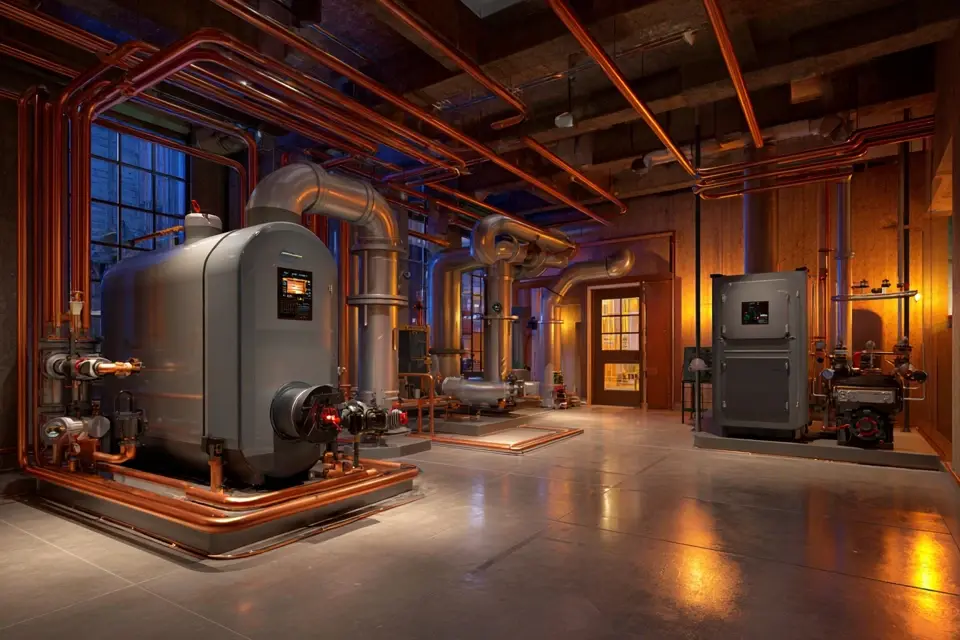
When your boiler turns on and off every few minutes during January cold snaps, it’s not just inefficient — it’s a warning sign that the heating system is struggling under peak winter demand. Boiler short cycling is one of the most damaging cold-weather HVAC problems we see throughout Westchester County and the New York Tri-State area during the heart of winter.
Short cycling places excessive stress on burners, igniters, circulator pumps, heat exchangers, controls, and safety components. Left unresolved, it can increase fuel consumption, create uneven heating, worsen system wear, and eventually lead to complete boiler failure during some of the coldest days of the year.
January is especially demanding for boilers because heating systems often operate continuously for extended periods while outdoor temperatures remain below freezing for days at a time. During these conditions, even small airflow, pressure, or hydronic balance issues can quickly escalate into larger mechanical problems.
This problem often surfaces during extreme weather, amplifying many of the stress factors discussed in our guide to winter HVAC risks in Tri-State buildings during January cold snaps.
Short cycling occurs when a boiler fires, shuts down prematurely, then restarts repeatedly over short intervals instead of completing longer, stable heating cycles.
While built-in safety controls are functioning correctly by shutting the boiler down, frequent cycling usually indicates an underlying imbalance somewhere within the system.
Modern boilers are designed to operate efficiently through controlled heating cycles. Repeatedly forcing the system to ignite and shut down creates unnecessary wear on critical components while reducing overall efficiency.
Many homeowners first recognize short cycling when they hear the boiler turning on and off constantly or notice inconsistent indoor temperatures throughout the home.
Common warning signs include:
Many hydronic heating systems appear to operate normally during mild weather but begin struggling once true winter demand arrives.
January cold snaps expose weaknesses in system pressure, circulation, combustion performance, and overall boiler sizing because heating demand remains elevated for much longer periods.
Common January-specific short cycling causes include:
Many of these conditions originate from incomplete evaluations during boiler preparation and winter heating inspections.
One of the most overlooked causes of short cycling is oversized boiler equipment.
Many older homes throughout Westchester County contain boilers installed decades ago using outdated sizing methods that significantly oversized heating equipment.
An oversized boiler heats water too quickly and satisfies thermostat demand before completing efficient operating cycles.
As a result, the boiler repeatedly shuts down and reignites instead of operating steadily.
This problem becomes even more noticeable in renovated homes where insulation, windows, or zoning systems have reduced overall heating demand without updating boiler sizing.
Older and renovated homes dealing with system imbalance may also benefit from our guide to HVAC challenges in older Bronxville homes and renovated Westchester properties.
Hydronic systems rely on balanced water circulation throughout piping loops, radiators, baseboards, or radiant heating zones.
Air trapped inside the system disrupts circulation and creates uneven heating performance.
Common symptoms of air-related short cycling include:
During January cold snaps, restricted circulation may cause the boiler to reach temperature limits too quickly, forcing repeated shutdown cycles.
Short cycling is often a symptom of broader hydronic imbalance. Circulation flow, pressure stability, combustion efficiency, zoning performance, and control calibration all work together inside modern boiler systems.
Modern boilers rely heavily on sensors and controls to regulate safe operation.
Faulty thermostats, aquastats, temperature sensors, or outdoor reset controls can create inaccurate readings that trigger unnecessary boiler shutdowns.
Control-related short cycling problems may involve:
As modern boilers become increasingly advanced, professional diagnostics become more important for identifying hidden control-system issues.
Every ignition cycle consumes fuel and places stress on combustion components.
When short cycling occurs repeatedly throughout winter, boilers operate far less efficiently than intended.
Common efficiency losses include:
Many homeowners first notice short cycling indirectly through rising utility bills during colder weather.
Energy-efficiency reviews — similar to those discussed in our guide to HVAC energy-saving assessments and lower heating bills — often reveal hidden short cycling problems.
Homeowners sometimes temporarily restore heat by resetting the boiler after lockouts or shutdowns.
While this may briefly restart the system, resetting the boiler repeatedly does not solve the underlying issue.
Repeated resets can delay proper diagnosis while allowing:
Boiler short cycling is rarely a standalone issue. It often indicates deeper problems involving combustion, circulation, controls, or system sizing.
Proper boiler diagnosis requires more than simply restarting the system or adjusting thermostat settings.
Professional hydronic diagnostics may include:
These evaluations help identify whether the problem originates from the boiler itself, the distribution system, airflow imbalance, zoning controls, or building heat-loss conditions.
Short cycling is not limited to residential systems. Multi-family buildings, mixed-use properties, and commercial facilities throughout the Tri-State area frequently experience boiler cycling problems during winter.
Commercial short cycling may result from:
Large hydronic systems often require advanced balancing and staging analysis to maintain efficient winter operation.
Routine boiler maintenance significantly reduces the likelihood of winter short cycling problems.
Preventive maintenance may include:
Homeowners focused on improving overall system performance may also benefit from our ultimate HVAC maintenance guide for homeowners.
Property owners throughout Scarsdale HVAC services frequently schedule winter hydronic evaluations because older boiler systems often experience pressure and circulation problems during prolonged cold weather.
Short cycling during January means the boiler is already struggling under peak winter demand.
Ignoring the problem increases the risk of:
During severe Northeast winter conditions, delayed boiler repairs can quickly escalate into property damage and emergency heating situations.
Boiler short cycling is one of the clearest early warning signs that a hydronic heating system requires professional evaluation. Early diagnosis often prevents larger winter failures and costly emergency repairs.
Boiler short cycling during January cold snaps is more than a temporary nuisance. It is often a sign of underlying hydronic imbalance, pressure instability, airflow restrictions, control-system problems, or improper equipment sizing.
Because winter heating systems operate under maximum demand during January, even small system weaknesses can quickly develop into larger mechanical failures when temperatures drop.
Professional diagnostics, preventative maintenance, combustion analysis, and hydronic balancing help identify short cycling causes before complete boiler failure occurs.
Yukos Mechanical helps homeowners and property managers throughout Westchester County diagnose boiler short cycling, improve hydronic heating performance, and maintain reliable winter comfort during severe Northeast weather. Contact Yukos Mechanical to schedule a professional boiler inspection today.
Our technicians diagnose and correct the root cause—not just the symptoms.
Request Boiler ServiceBoiler short cycling occurs when the boiler turns on and off repeatedly over short periods instead of completing stable heating cycles.
January cold snaps place heating systems under maximum demand, exposing hidden circulation, pressure, airflow, combustion, and control-system problems.
Yes. Oversized boilers heat water too quickly and satisfy thermostat demand prematurely, forcing repeated shutdown and restart cycles.
No. Resetting the boiler may temporarily restore heat, but professional diagnostics are needed to identify the underlying cause of the cycling problem.
Yes. Frequent ignition cycles reduce efficiency, increase fuel usage, and place additional wear on heating components.
Our clients trust us for fast, reliable HVAC solutions—see their stories below!


Whether you’re planning a new system or just need service advice, our team is here to help—no pressure, no obligations.