
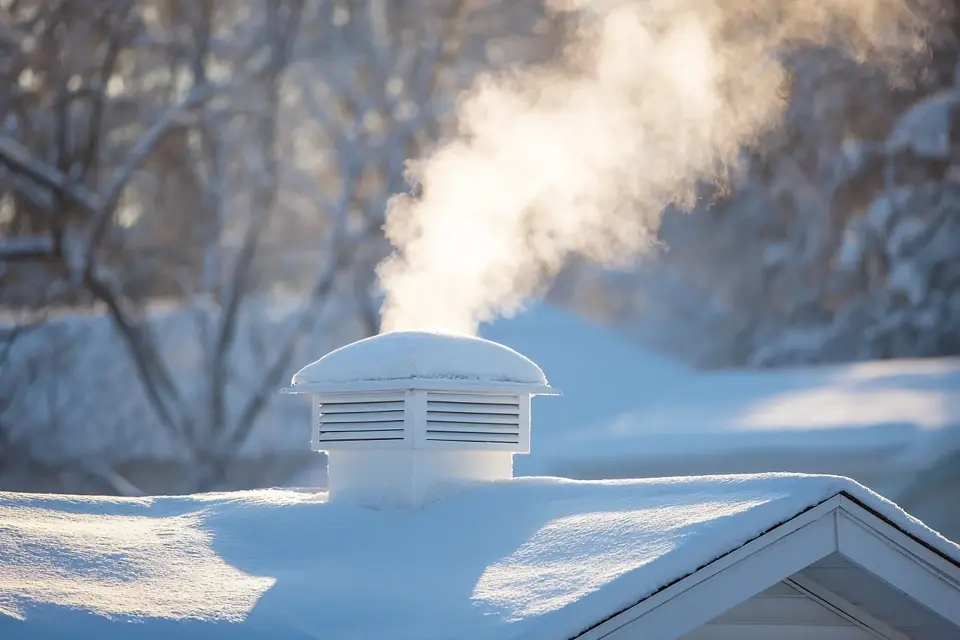
February often brings some of the harshest and most deceptive winter weather conditions in Westchester County. While many homeowners assume the worst of winter has already passed, late-season cold snaps frequently create some of the most serious HVAC problems of the year. Heating systems have already operated continuously for months, and sudden temperature drops place additional stress on furnaces, boilers, heat pumps, piping systems, and electrical components that are already fatigued from heavy seasonal demand.
Across Westchester County and the New York Tri-State area, February weather patterns commonly combine freezing overnight temperatures, snow accumulation, wind-driven heat loss, and fluctuating moisture conditions. These rapid environmental changes force HVAC systems to operate longer cycles while recovering from constant heat loss caused by drafts, insulation weaknesses, aging ductwork, and older building construction.
For older homes in communities such as Scarsdale, Bronxville, Rye, White Plains, Yonkers, and Harrison, late-winter HVAC strain becomes especially serious because many homes still rely on aging heating infrastructure, retrofit duct systems, or original hydronic piping layouts that were never designed for modern heating loads.
Homeowners preparing for winter reliability may also benefit from reviewing our winter HVAC maintenance checklist before severe cold conditions arrive.
Unlike early winter weather, February cold snaps occur after months of continuous system operation.
By late winter:
When sudden freezing weather arrives, these systems must work even harder to maintain indoor temperatures.
Late-winter HVAC failures are common because heating systems are already under seasonal stress before February cold snaps even begin.
Gas furnaces often experience ignition issues late in the heating season because of dirty flame sensors, worn igniters, airflow restrictions, or electrical strain.
Common symptoms include:
Restricted airflow caused by clogged filters can also increase furnace overheating risk during periods of heavy operation.
Hydronic heating systems are especially vulnerable during severe cold weather because circulation problems become more noticeable when demand increases.
Older homes with original piping layouts often struggle to maintain balanced heating during rapid temperature drops.
Multifamily and older Northeast homes frequently experience similar hydronic issues during prolonged winter demand. Property owners may also benefit from reviewing our guide to common boiler and hydronic heating problems in Westchester buildings.
Cold-climate heat pumps continue improving every year, but freezing outdoor temperatures still reduce efficiency and increase operational strain.
During severe cold:
Improperly sized systems or neglected maintenance can cause indoor temperatures to fall rapidly during extended cold weather.
Homeowners considering cold-weather heat pump performance may also benefit from our guide to heat pump operation during winter conditions.
One of the most serious risks during February cold snaps is frozen piping.
Homes with unconditioned basements, crawlspaces, garages, or exterior wall piping face elevated freeze risk when temperatures drop rapidly overnight.
Frozen pipes may lead to:
Homeowners throughout Scarsdale HVAC services frequently experience freeze-risk concerns because many older homes contain aging piping systems and partially insulated mechanical spaces.
Many homes throughout Westchester County were constructed before modern energy-efficiency standards existed.
These homes often contain:
As temperatures drop, these weaknesses amplify heating demand significantly.
Homeowners in older homes may also benefit from our guide to HVAC challenges in older Bronxville homes and renovated Westchester properties.
Even recently replaced filters may already be partially clogged after months of continuous winter operation.
Dirty filters restrict airflow and force heating systems to operate under additional strain.
Heat pumps and high-efficiency HVAC systems require unrestricted airflow around outdoor units.
Snow buildup can cause:
Weak thermostat batteries and inaccurate temperature readings become more problematic during freezing weather when systems operate continuously.
Look for:
These are often early warning signs of larger HVAC or freeze-related issues.
Common late-winter warning signs include:
Ignoring these symptoms can increase the likelihood of emergency breakdowns during the coldest nights of the season.
Most winter HVAC failures begin with small warning signs. Addressing airflow problems, unusual noises, or uneven heating early can prevent major breakdowns during severe cold.
Many homeowners assume maintenance only matters before winter begins, but February inspections can be extremely valuable.
Late-winter HVAC service helps identify:
Addressing these issues before spring can help prevent emergency service calls while extending equipment lifespan.
Homeowners focused on long-term reliability may also benefit from our guide to preventative HVAC maintenance for homeowners.
Late winter is also an ideal time to begin preparing HVAC systems for spring operation.
By addressing winter-related strain early, homeowners can reduce the likelihood of:
Preparing early helps smooth the transition between heating and cooling seasons.
February cold snaps place enormous strain on HVAC systems throughout Westchester County because heating equipment has already operated continuously for months before severe weather arrives. Furnaces, boilers, heat pumps, piping systems, and airflow infrastructure all become more vulnerable during sudden temperature drops.
Proactive maintenance, airflow evaluation, freeze prevention, and early problem detection can help homeowners avoid emergency repairs while maintaining reliable indoor comfort through winter’s final stretch.
Yukos Mechanical helps homeowners throughout Westchester County protect HVAC systems during severe winter conditions through preventative maintenance, airflow diagnostics, heating system inspections, and cold-weather HVAC service. Contact Yukos Mechanical to schedule winter HVAC service today.
Late-winter cold snaps are the leading cause of unexpected HVAC breakdowns. Proactive service now prevents emergency repairs later.
Schedule a ConsultationOur clients trust us for fast, reliable HVAC solutions—see their stories below!


Whether you’re planning a new system or just need service advice, our team is here to help—no pressure, no obligations.