
As temperatures begin dropping across Westchester County and the New York Tri-State area, homeowners should start preparing heating systems for the long winter ahead. Fall HVAC maintenance helps improve heating efficiency, reduce emergency breakdown risk, protect indoor comfort, and ensure heating equipment operates safely during periods of heavy winter demand.
Unfortunately, many heating problems that appear during winter actually begin developing months earlier due to neglected maintenance, airflow restrictions, dirty components, or hidden mechanical wear.
A properly maintained HVAC system operates more efficiently, lasts longer, and experiences fewer unexpected repairs during freezing weather conditions.
Many homeowners preparing for colder temperatures also review preventative furnace and boiler preparation strategies before winter heating season.
Fall HVAC maintenance helps prevent winter emergencies. Preparing heating systems before cold weather arrives reduces stress on equipment during peak seasonal demand.
Summer humidity, dust, pollen, and extended cooling operation all affect HVAC system performance before heating season begins.
Without fall maintenance, homeowners may experience:
Fall maintenance helps identify developing problems before winter temperatures place additional stress on heating equipment.
Homes throughout Yonkers HVAC services often require additional fall preparation because older homes frequently contain aging ductwork and older heating systems operating under heavy seasonal demand.
Heating systems operate more efficiently and reliably when inspected before winter demand places additional stress on airflow systems, electrical components, and combustion equipment.
Dirty HVAC filters remain one of the most common causes of airflow restriction and heating inefficiency.
Restricted airflow forces furnaces and heat pumps to work harder, increasing:
Most homeowners should inspect filters every 30 to 90 days depending on:
Indoor air quality improvements also overlap closely with the filtration strategies discussed in how HVAC maintenance improves indoor air quality and reduces allergens.
Clean filters improve both efficiency and comfort. Proper airflow helps heating systems operate more effectively while supporting healthier indoor air quality.
Supply and return vents help distribute heated air evenly throughout the home.
Dust accumulation, blocked vents, or airflow imbalance may create:
Homeowners should inspect vents and ensure furniture, rugs, and household items do not block airflow.
Homes throughout White Plains HVAC services frequently experience airflow imbalance because older duct systems were often modified during renovations without proper airflow redesign.
Balanced airflow helps heating systems maintain stable temperatures while reducing unnecessary equipment strain.
Professional HVAC maintenance includes far more than basic filter replacement.
Comprehensive fall inspections typically include:
Professional service helps identify hidden issues before they create emergency breakdowns during severe winter weather.
Many heating failures also overlap closely with the operational concerns discussed in how frozen pipes increase HVAC risks during severe winter weather.
Professional HVAC inspections identify hidden winter risks. Small mechanical problems often become major breakdowns once heating systems operate continuously during freezing weather.
Thermostats directly control HVAC runtime and comfort consistency.
Incorrect thermostat calibration may cause:
Fall is an ideal time to verify thermostat accuracy and update heating schedules before winter demand begins.
Many homeowners also upgrade to smart thermostats to improve scheduling, remote access, and energy management.
Homes throughout Bronxville HVAC services often benefit from zoning and thermostat upgrades because multi-story homes commonly experience uneven heating between floors.
Improper thermostat calibration can increase HVAC runtime, reduce comfort consistency, and raise monthly heating costs.
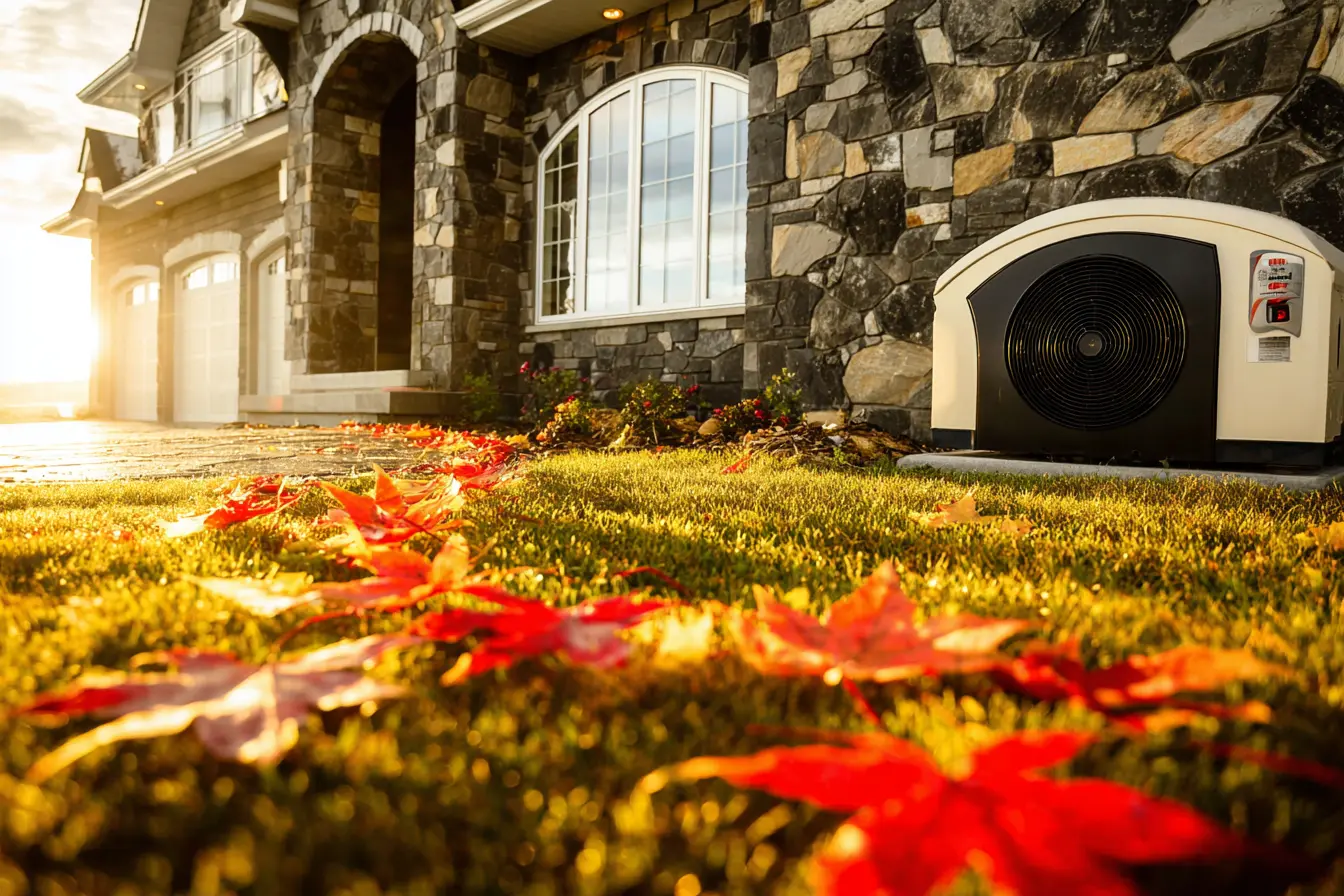
Outdoor HVAC equipment requires proper airflow even during colder months.
Leaves, debris, vegetation, and snow accumulation may restrict airflow around:
Homeowners should maintain at least two feet of clearance around outdoor HVAC equipment whenever possible.
Blocked outdoor airflow reduces efficiency while increasing mechanical strain during heavy seasonal operation.
Outdoor airflow affects HVAC performance year-round. Debris accumulation around exterior equipment can reduce efficiency and increase system stress.
Gas furnaces and boilers create potential carbon monoxide risks if combustion or ventilation systems develop problems.
Homeowners should:
Carbon monoxide safety becomes especially important during winter because homes remain closed for longer periods with less natural ventilation.
Homeowners concerned about heating safety may also benefit from reviewing common HVAC risks that affect buildings during severe winter weather.
Combustion testing and safety inspections help identify dangerous ventilation or heating system issues before winter operation begins.
Insulation plays a major role in HVAC efficiency and freeze protection.
Homeowners should inspect:
Poor insulation increases:
Homes throughout Port Chester HVAC services often require additional freeze protection planning because older properties frequently contain exposed piping and aging insulation systems.
Proper insulation supports HVAC efficiency. Reducing heat loss lowers energy consumption while helping protect systems during freezing temperatures.
Routine HVAC maintenance improves overall system efficiency before heavy winter runtime begins.
Well-maintained systems generally experience:
Homeowners focused on reducing heating expenses may also benefit from reviewing practical HVAC energy-saving strategies that reduce winter utility bills.
Preventative HVAC maintenance supports long-term savings. Efficient heating systems consume less energy while operating more reliably throughout winter.
Commercial and specialty HVAC environments often require advanced fall maintenance planning.
Large facilities may require:
Commercial projects such as the Wolf Brewery HVAC project in White Plains demonstrate how ventilation management and preventative maintenance support long-term operational reliability.
Specialized residential environments also require precision climate control, as shown in this wine room condenser replacement project in Greenwich.
Fall HVAC maintenance remains one of the most important steps homeowners can take before winter arrives. Preventative inspections help improve efficiency, reduce emergency breakdown risk, protect indoor air quality, and maintain safer heating system operation during freezing temperatures.
For homeowners throughout Westchester County and the New York Tri-State area, preparing HVAC systems before winter demand begins provides valuable long-term protection for both comfort and operating costs.
Yukos Mechanical helps homeowners prepare for winter through professional HVAC maintenance, heating inspections, airflow diagnostics, indoor air quality improvements, and seasonal system optimization. Contact Yukos Mechanical to schedule your fall HVAC maintenance today.
Improve heating efficiency, reduce breakdown risk, and protect your home’s comfort with professional fall HVAC maintenance from Yukos Mechanical.
Schedule Fall HVAC MaintenanceOur clients trust us for fast, reliable HVAC solutions—see their stories below!


Whether you’re planning a new system or just need service advice, our team is here to help—no pressure, no obligations.